6 Everyday Gadgets That Once Felt Like the Future

Walkman: Photo: Binarysequence / Wikimedia Commons. CC BY-SA 4.0. Cropped and resized for a photo collage; original image licence applies.
Instant camera: Photo: Michael Gatchell / Wikimedia Commons. CC BY 2.0. Cropped and resized for a photo collage; original image licence applies.
View-Master: Photo: ThePassenger / Wikimedia Commons. CC BY-SA 3.0. Cropped and resized for a photo collage; original image licence applies.
A modern phone can play music, take photographs, store files and place a call without changing its basic shape. Older gadgets often made each task feel completely different. You pressed a mechanical button, turned a dial, slid in a disc or waited for a print to appear. These six objects are more than a nostalgia test. Their designs reveal what a particular generation found new, convenient or wonderfully futuristic.
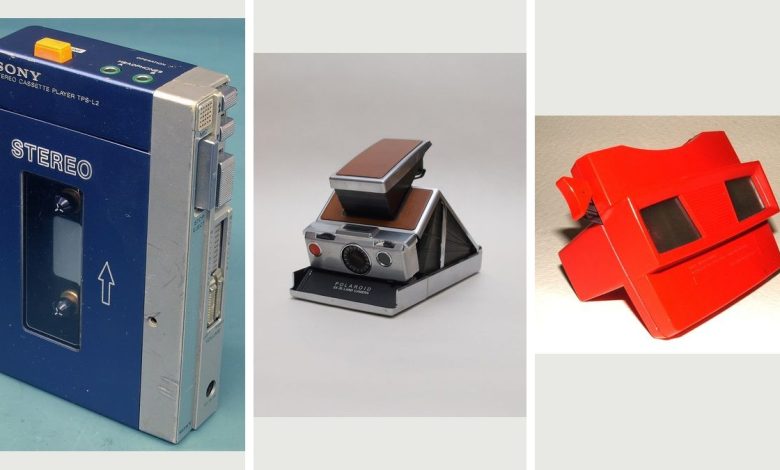
1. The original Walkman made a soundtrack portable
Sony’s TPS-L2 Walkman arrived in 1979, pairing a compact cassette player with lightweight headphones. Its blue-and-silver body now looks reassuringly physical: buttons have travel, the cassette occupies visible space and the machine performs a clear, limited job. The appeal was the ability to carry personal stereo listening into ordinary daily movement.
Imagine the change from music filling a room to music accompanying the person leaving it. A bus ride or a walk could have a privately chosen soundtrack. The object in the photograph also exposes the trade-off: choosing music meant choosing a cassette and carrying it. There was no endless invisible library behind the controls. That constraint is part of what makes the device memorable, giving an album a physical presence alongside the machine that played it. [1]
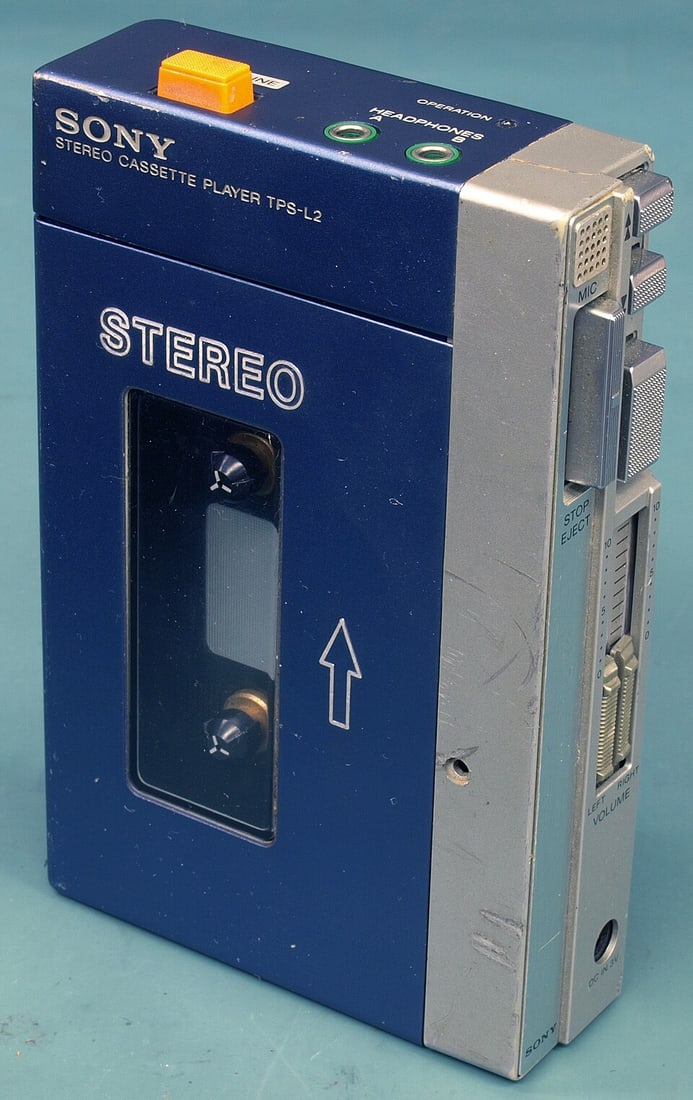
2. The folding instant camera made the photograph part of the moment
The Polaroid SX-70 turned a camera into a particularly satisfying piece of folding design. Introduced in the 1970s, it could collapse into a compact shape and open into a device with a viewfinder, lens and a very tangible route from exposure to print. The photograph shows how much of its identity comes from that transformation.
An instant print changes the social rhythm of taking a picture. People can wait together, look at the emerging result and decide who gets to keep the object. The image is immediately shareable in a physical sense, but there is only one original print in the photographer’s hand. That small limitation gives the moment a different weight from sending a file to several people. The camera’s enduring appeal is partly mechanical and partly the experience it creates. [2]
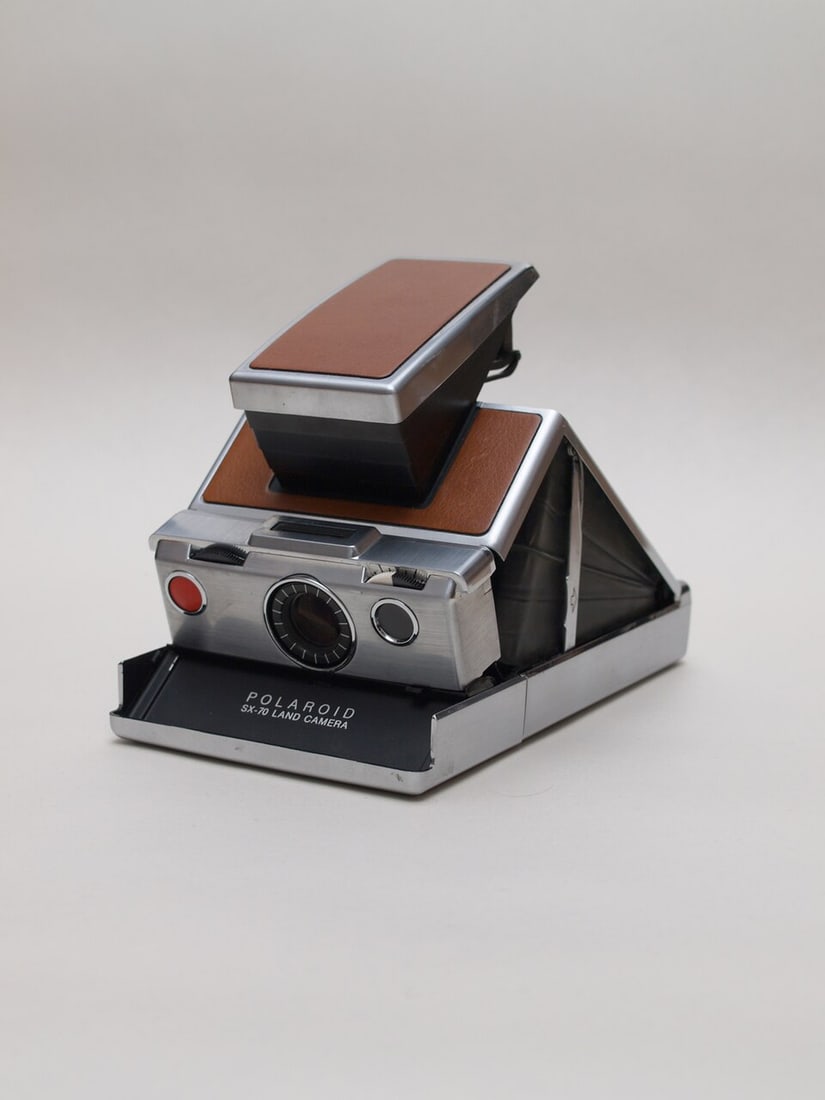
3. The View-Master put a miniature world behind two windows
A View-Master looks simple from outside: a handheld viewer, two eyepieces and a reel of small pictures. Its trick depends on presenting a different image to each eye, producing an impression of depth. Landscapes, attractions and later entertainment scenes could seem to occupy a tiny stage just beyond the viewer’s face.
The ritual is part of the memory. Hold it towards the light, adjust your eyes and move to the next scene with the lever. Unlike a screen that everyone nearby can watch, it creates a very individual encounter. The Smithsonian’s collection preserves an early example, placing the object within a longer history of stereoscopic viewing. What now appears like a modest toy once offered a compact way to make an image feel more spatial and immersive. [3]
4. The rotary dial made every phone number a small performance
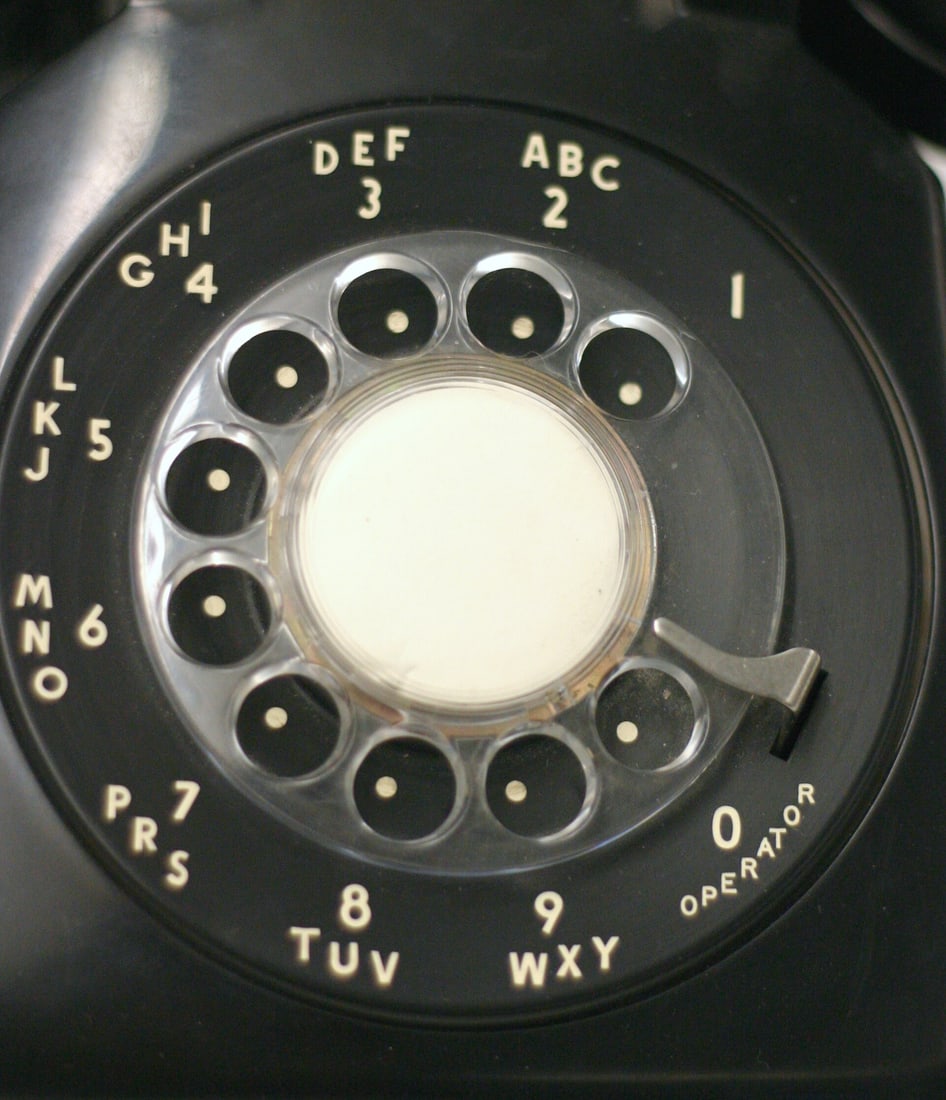
A rotary telephone dial makes the act of calling visible. A finger moves a numbered hole around to a stop, then waits as the mechanism returns. Repeat that sequence and the number becomes a series of gestures and pauses. The close-up photograph is enough to remind anyone who used one of the distinctive rhythm.
The design also makes a familiar task feel newly strange to someone raised with touchscreens. The holes invite interaction, but they do not explain the complete process at a glance. There is a mechanical relationship between hand movement and the call being placed, and an incorrect digit means starting again. Seen as an object rather than a memory, the dial is a small piece of interface history: circular, tactile and built around a very different expectation of speed. [4]
5. The floppy disk gave a file a place you could point to
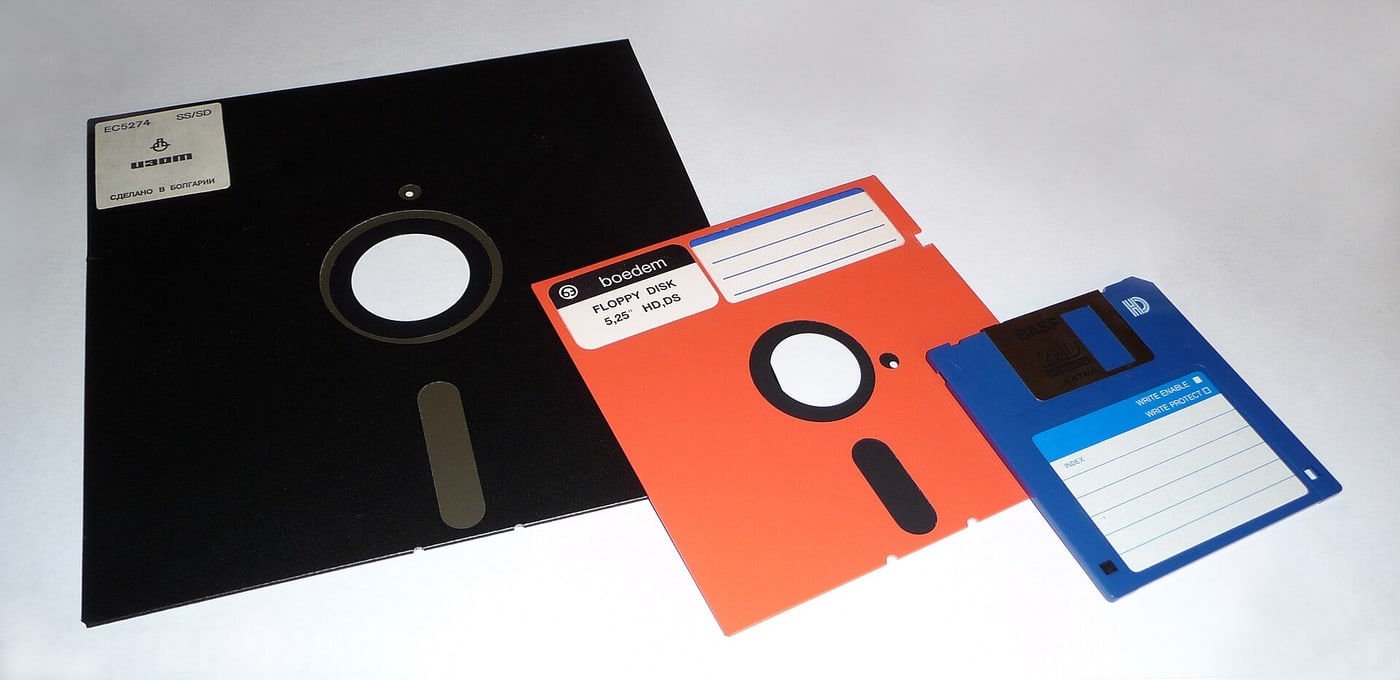
A floppy disk made digital information feel surprisingly concrete. The photograph brings different formats together, showing how the familiar name covered more than one size and casing. IBM’s history records the beginning of its commercial floppy-drive sales in 1971, followed by changes that helped the format become part of everyday computing.
For users, the experience could be wonderfully direct: this disk held a document, that one held a program, and a handwritten label tried to keep them straight. It could also be precarious when the label was wrong or the wrong disk was left at home. The enduring floppy-shaped save icon is a curious afterlife for the object. Many people recognize the symbol now without ever having heard the real drive access a disk. [5]
6. The typewriter put the machinery of writing in plain view
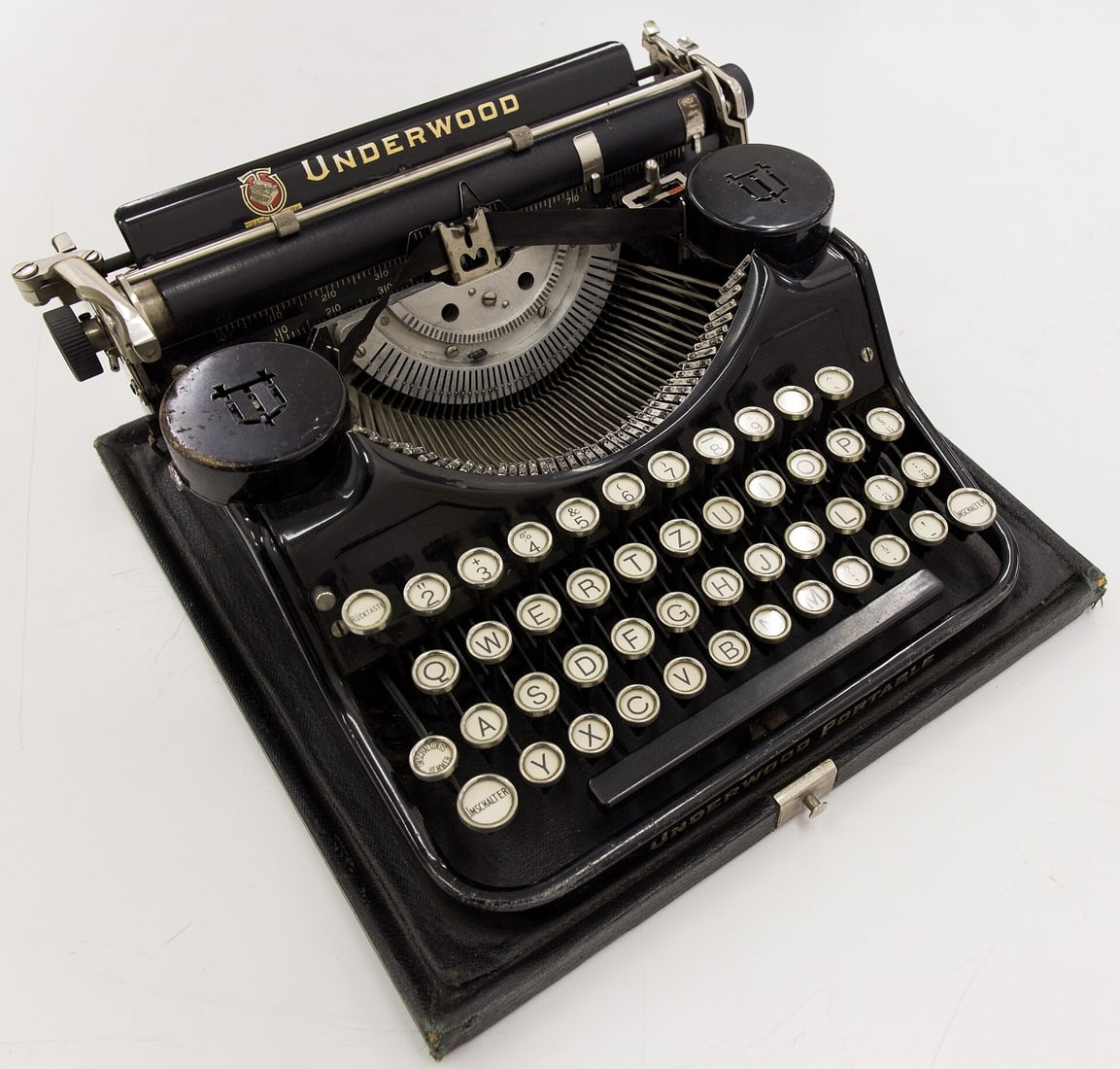
A manual typewriter gives each line a physical journey across the page. The keys, ribbon, moving carriage and paper are all part of one visible process. The machine in the photograph has the dense, purposeful arrangement that makes old typewriters so attractive as objects: many small moving parts gathered around a task that remains completely familiar.
Its influence is easier to understand if you imagine composing with fewer chances to erase the evidence. A mistake leaves a mark to correct, while reaching the edge of a line requires a deliberate return. The rhythm can sound satisfying from across a room even when the writer is struggling over a sentence. Compared with a word processor, the mechanism gives writing a more public soundtrack and a much more obvious material cost for every revision. [6]
These devices did not need to do everything. Their limits helped give each one a recognizable shape, sound and routine. Looking at them together makes modern convenience easier to appreciate—and explains why some older objects remain appealing long after a smaller device can perform the same job.