
6 Real Places Movie Fans Will Recognize Immediately

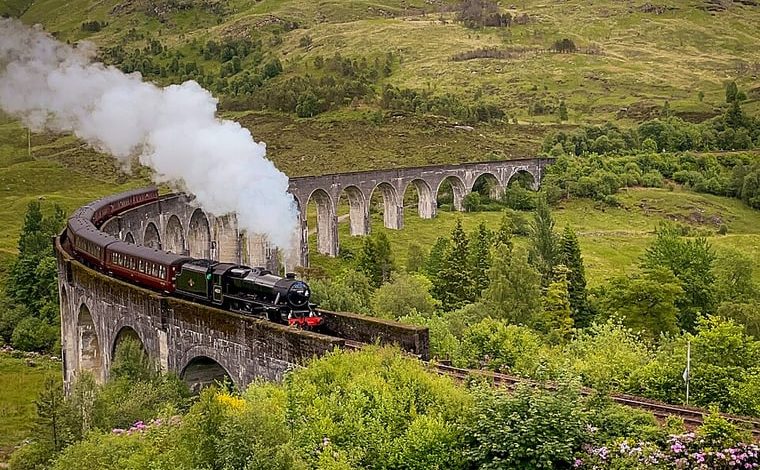
Glenfinnan Viaduct. Photo: Matthieu Riegler / Wikimedia Commons. CC BY 3.0. Resized; original image licence applies.
Sometimes the first reaction to a place is a scene from a movie. A train appears in your imagination, a theme tune starts up, or a perfectly ordinary doorway suddenly seems to belong to a fictional business. These six locations have that effect on many film fans. Their screen identities are only one part of the story, though. Look beyond the remembered scene and you find working buildings, historic sites and landscapes with much longer histories.
1. Alnwick Castle: Hogwarts before the broom takes off
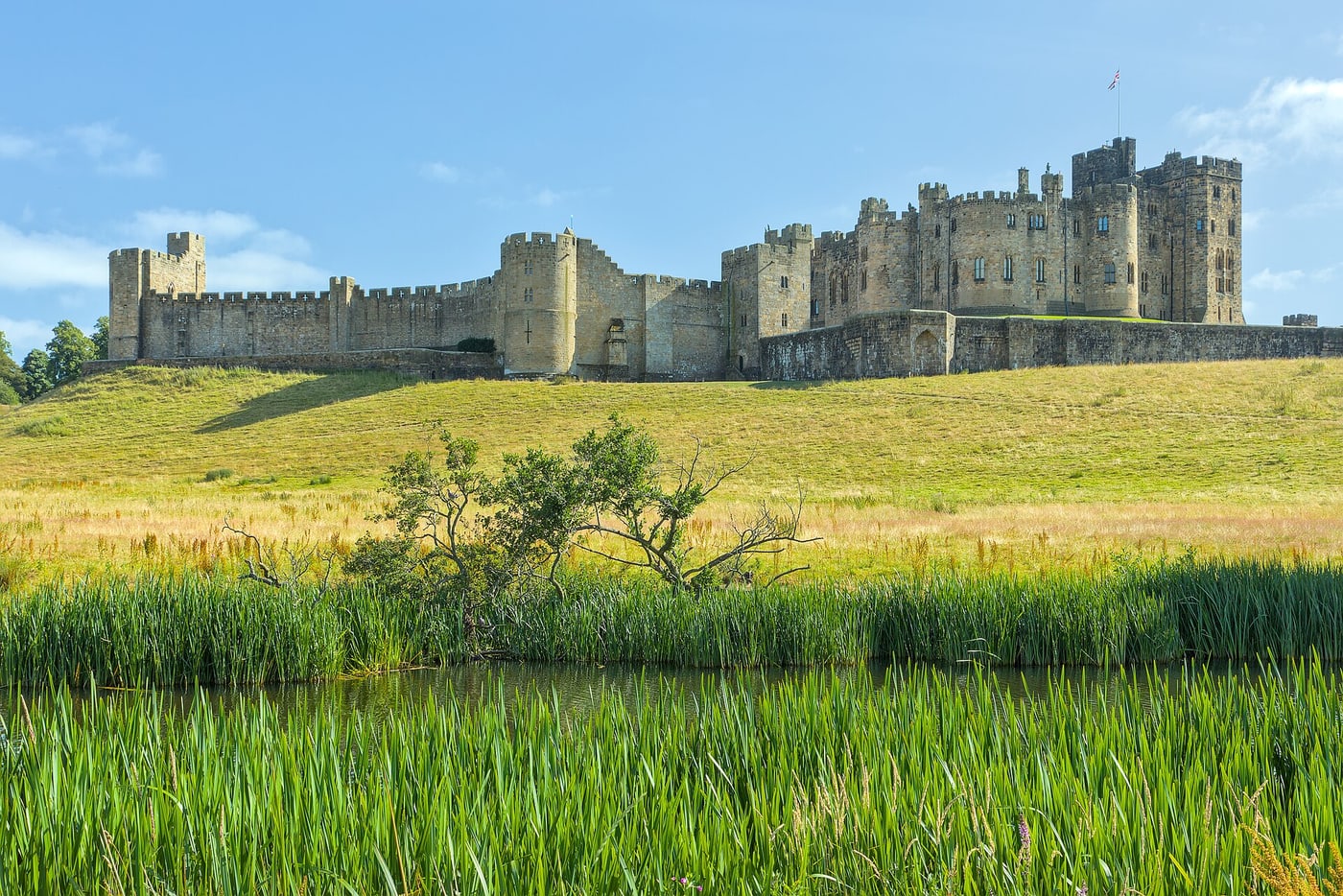
The grounds of Alnwick Castle in Northumberland supplied some of the most recognizable early Hogwarts scenes. The castle’s official account identifies it as a filming location for the first two Harry Potter movies, including the outdoor setting associated with Harry’s first flying lesson. The broad lawns and defensive walls make a convincing frame for the fictional school.
A still photograph allows you to notice how much the location contributes before any magic is added. The scale of the walls, the open space in front of them and the repeated towers already establish a world with rules and history. Alnwick is also an inhabited historic castle, so the cinematic association sits alongside an existing identity. Fans may arrive thinking about broomsticks and leave remembering the building’s much longer story. [1]
2. Glenfinnan Viaduct: the journey becomes the spectacle
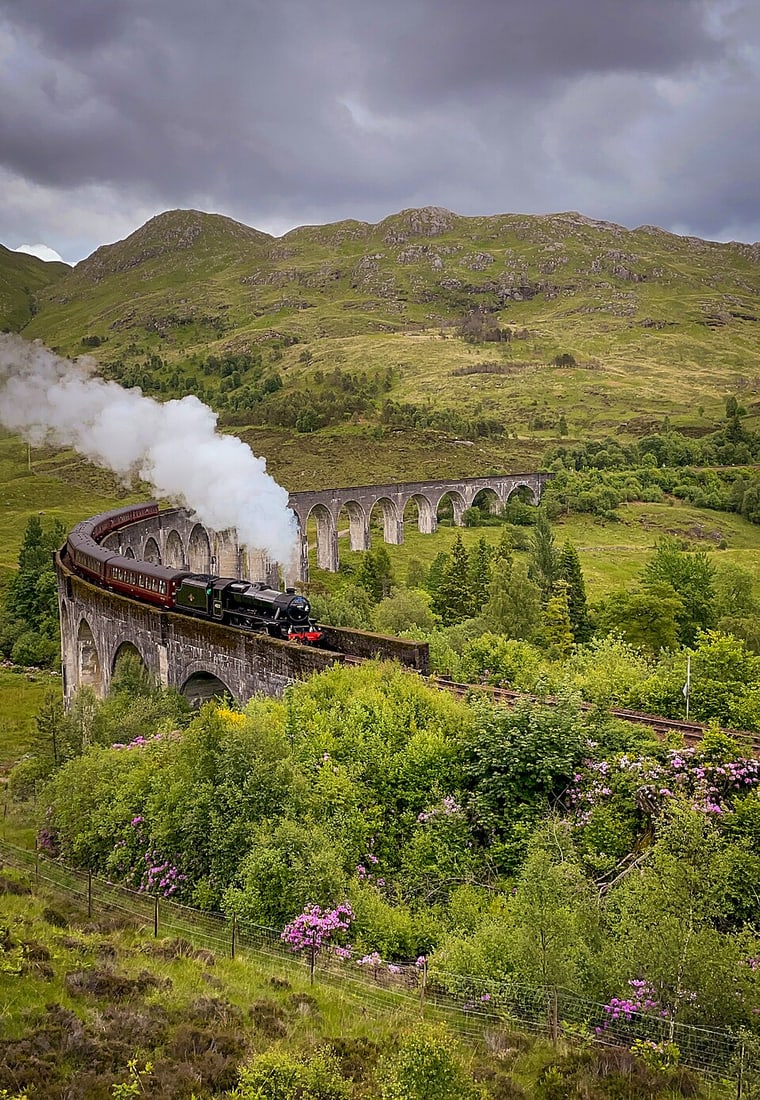
The curving railway viaduct at Glenfinnan is one of those structures that appears made for a moving camera. Its long succession of arches leads the eye across the Highland landscape. In the Harry Potter films, it became part of the journey to Hogwarts, including the memorable flying-car sequence in The Chamber of Secrets.
The National Trust for Scotland points out that the viaduct features in several entries in the series. Even without a train on it, the structure creates a sense of direction and anticipation. A photograph also reveals how the curve fits the surrounding terrain, something that can be easy to miss while following the action on screen. It is a real railway with its own operations, so the cinematic view and the everyday function continue together. [2]
3. Timberline Lodge: a welcoming building with a sinister screen double
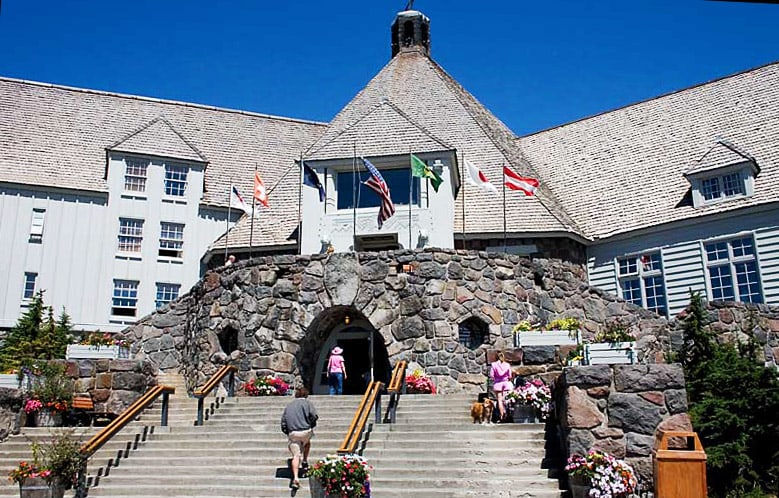
Timberline Lodge in Oregon provided exterior views for the Overlook Hotel in Stanley Kubrick’s The Shining. The lodge’s own history makes a useful distinction: the film’s fictional hotel combines the real building with studio work, and several apparently connected spaces were created elsewhere. A visit cannot reproduce the movie’s geography room for room.
That split between exterior and interior is part of the fascination. Looking at Timberline in daylight, with visitors outside, can feel very different from remembering the film’s isolation and tension. The same roofline takes on a new meaning through music, weather and editing. The photograph is a chance to separate the actual place from its cinematic alter ego, while appreciating how effectively the film borrowed the building’s mountain setting and distinctive form. [3]
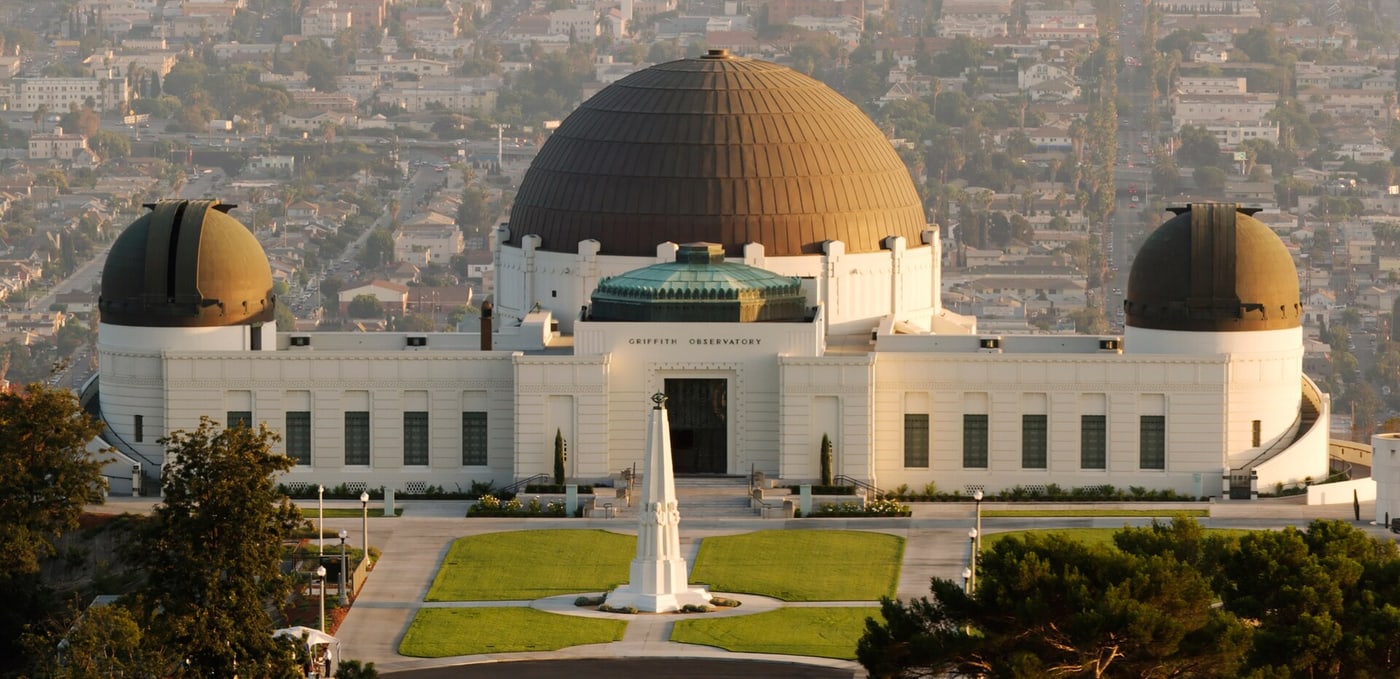
4. Griffith Observatory: Los Angeles gets a celestial backdrop
Griffith Observatory has a screen presence that reaches beyond a single film, but La La Land gives it an especially romantic association. The 2016 musical turns the observatory visit into a flight of imagination, using the connection between the city below and the sky above. The observatory itself has celebrated that relationship with the film.
In an exterior photograph, the low pale building and its dark domes look composed against the hillside. That strong outline helps make it memorable even before you recognize the location. Its real purpose also adds something to the movie connection: this is a public place for looking outward into space. The fantasy grows from an activity already associated with the building, which is one reason the setting feels so well chosen. [4]
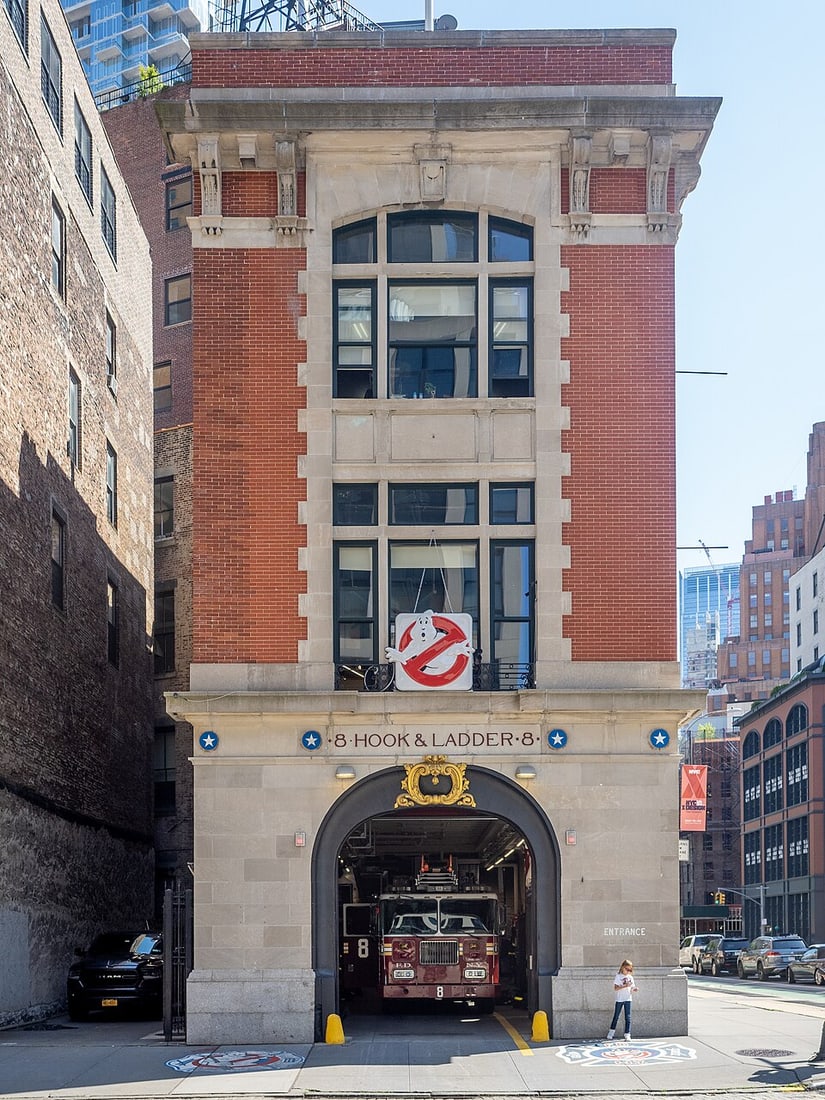
5. Hook & Ladder Company 8: a real firehouse with fictional tenants
The Tribeca firehouse used for the Ghostbusters headquarters can trigger recognition with little more than its broad ground-floor doorway. The building helped give an improbable business a practical-looking home: there is room to imagine equipment, a vehicle and a busy team behind the doors. New York City’s own account confirms its connection to the original 1984 film.
The key word is firehouse. Its working identity does not disappear because the facade is famous, and visitors need to leave entrances and operations clear. A photograph taken from a public viewpoint is enough to enjoy the architectural resemblance. The surrounding city is part of the pleasure too. Unlike a remote studio set, this screen landmark sits in an ordinary neighbourhood where people continue going about their day. [5]
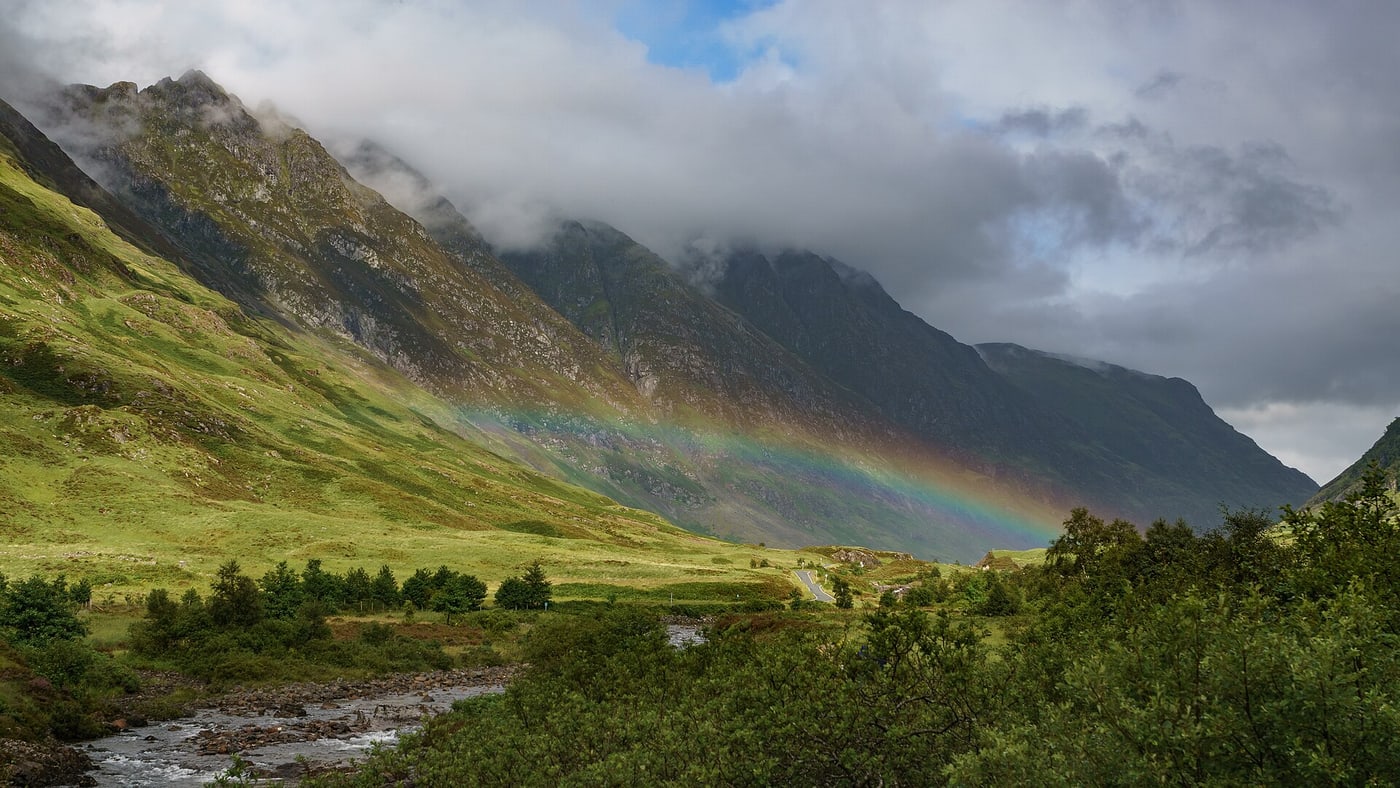
6. Glencoe: a landscape that can change a film’s mood
The mountains around Glencoe supply a different kind of recognition. There is no single doorway to match to a scene; the feeling comes from the scale of the slopes, the shifting weather and the narrow human presence within them. The National Trust for Scotland includes the area among the landscapes associated with Skyfall, alongside other major productions filmed in the region.
This photograph shows a view of Glen Coe, rather than claiming to reproduce an exact camera position from the film. That distinction leaves room to appreciate the place on its own terms. Light can open a bright strip across the valley while cloud keeps the peaks subdued. It is easy to see how a filmmaker could use that contrast to move a story from familiar urban action into something quieter and more exposed. [6]
A film location is most rewarding when recognition becomes the beginning of the visit rather than the whole point. The remembered scene gets your attention. The building’s real use, the landscape around it and the details left outside the movie frame give you something new to notice.



.jpg)
