
6 Hollywood Co-Star Clashes That Had Surprising Second Acts


Charlize Theron at the NYC Premiere of "The Odyssey" - July 14, 2026
Photo: PhilipRomano · CC BY-SA 4.0
They looked convincing together on screen. Behind the scenes, the working relationship could be a different story. Hollywood has plenty of famous pairings whose chemistry survived arguments, clashing methods or a thoroughly unhappy shoot. The interesting part is what happened next. Some actors returned to the same franchise; others explained the tension years later, with the benefit of distance. These six stories come from named interviews and public statements, and their endings are more varied than the usual “they will never work together again” headline suggests.
1. Dwayne Johnson and Vin Diesel: a public change of direction
The Fast & Furious films made room for enormous personalities, both on screen and behind the camera. Johnson and Diesel's differences became a recurring part of the franchise's publicity. Then Johnson changed the story himself. In a June 2023 announcement, he said that the two had resolved their disagreement the previous summer and confirmed his return as Luke Hobbs. Reuters reported the statement after his surprise appearance in Fast X.
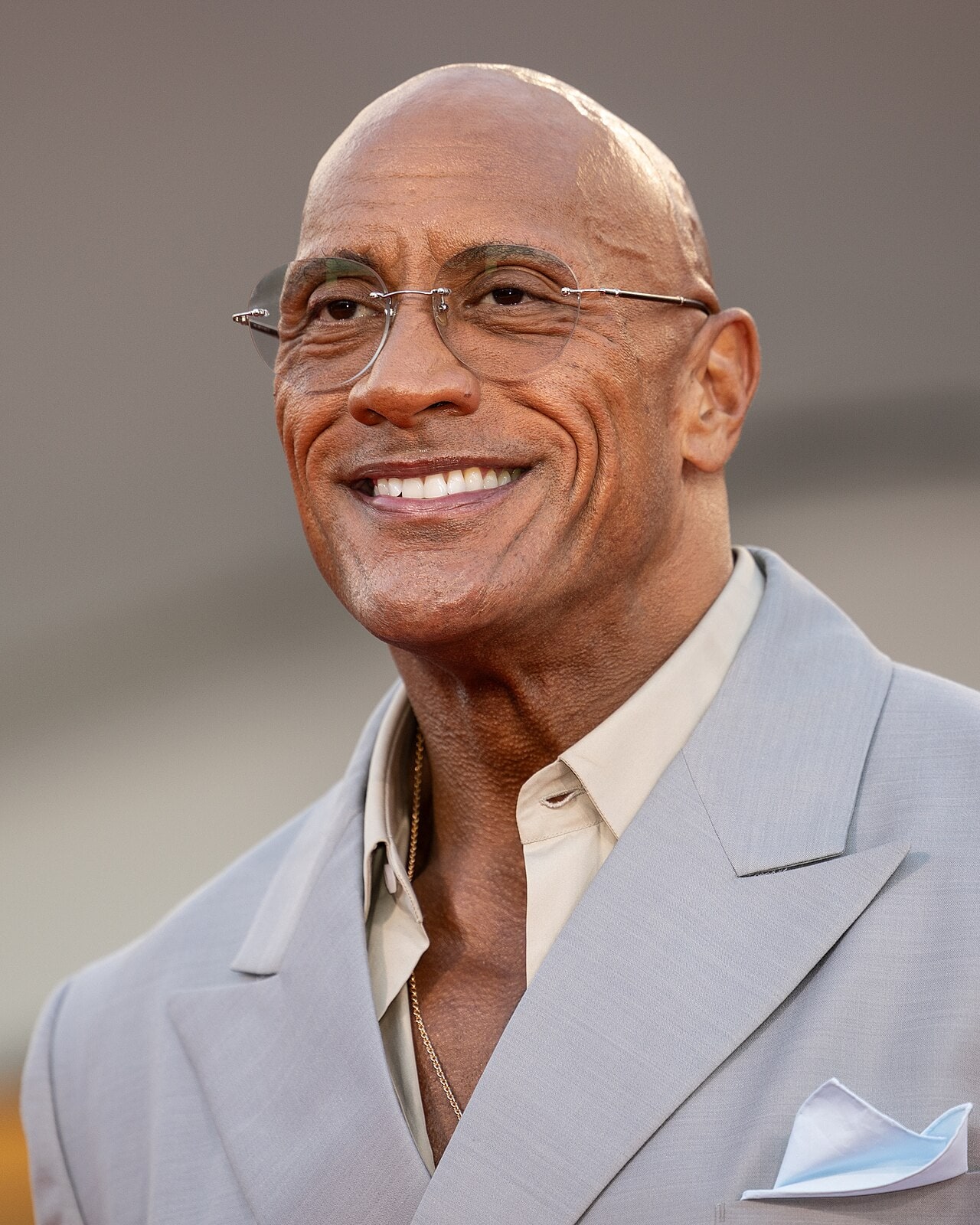
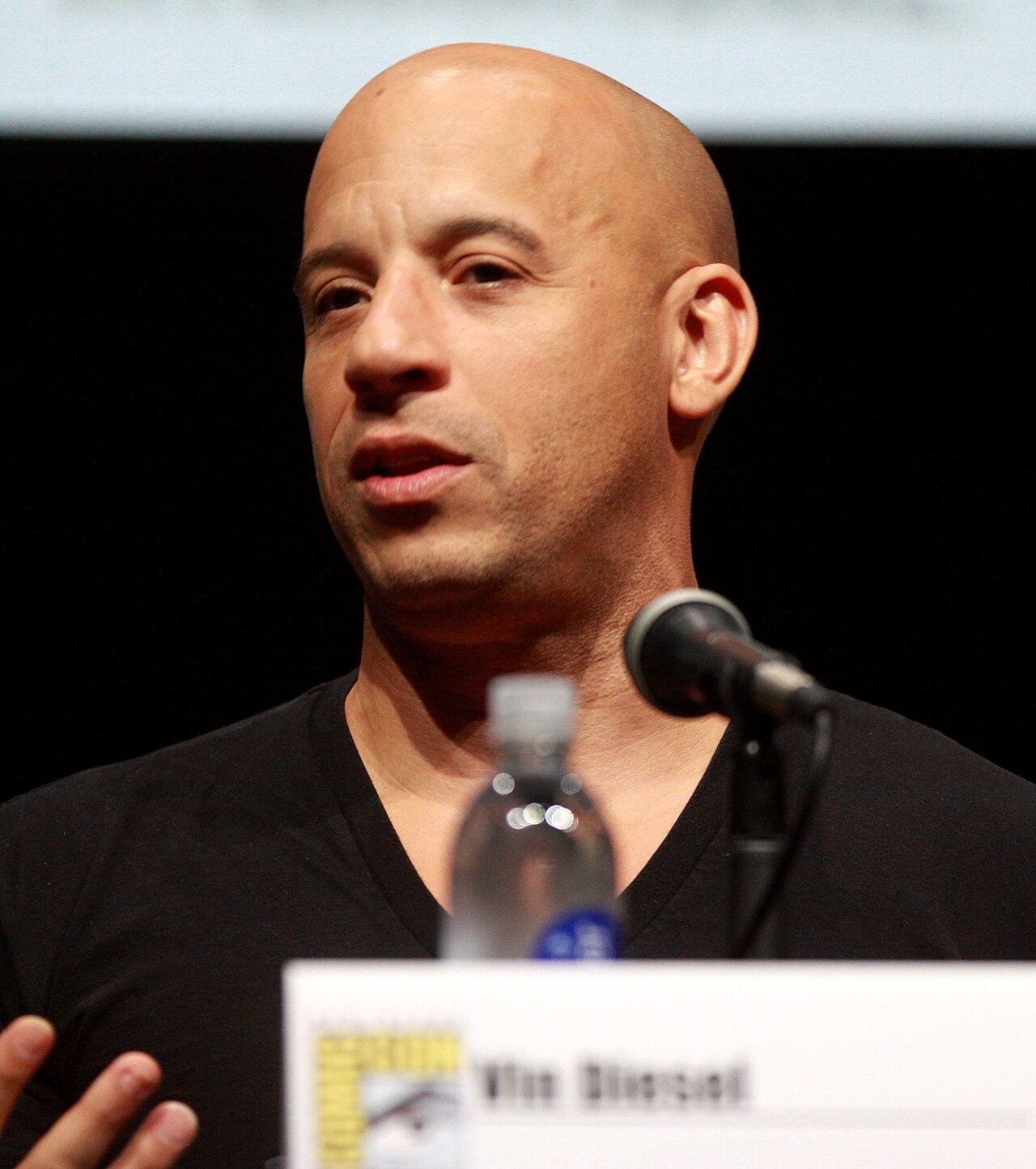
That later announcement matters as much as the earlier friction. A feud headline freezes two people at their least cooperative moment; a returning character shows that a working arrangement can change. It does not prove a close personal friendship, and it should not be stretched into one. It does show why an old falling-out is a poor basis for confidently predicting the rest of a career.
2. Lucy Liu and Bill Murray: speaking up during a rehearsal
On the Los Angeles Times podcast Asian Enough in July 2021, Liu discussed a confrontation with Murray during the making of Charlie's Angels. Her account centered on comments she considered unacceptable and her decision to challenge them. This was Liu describing her own experience, not an anonymous account of what someone supposedly overheard on a film set.

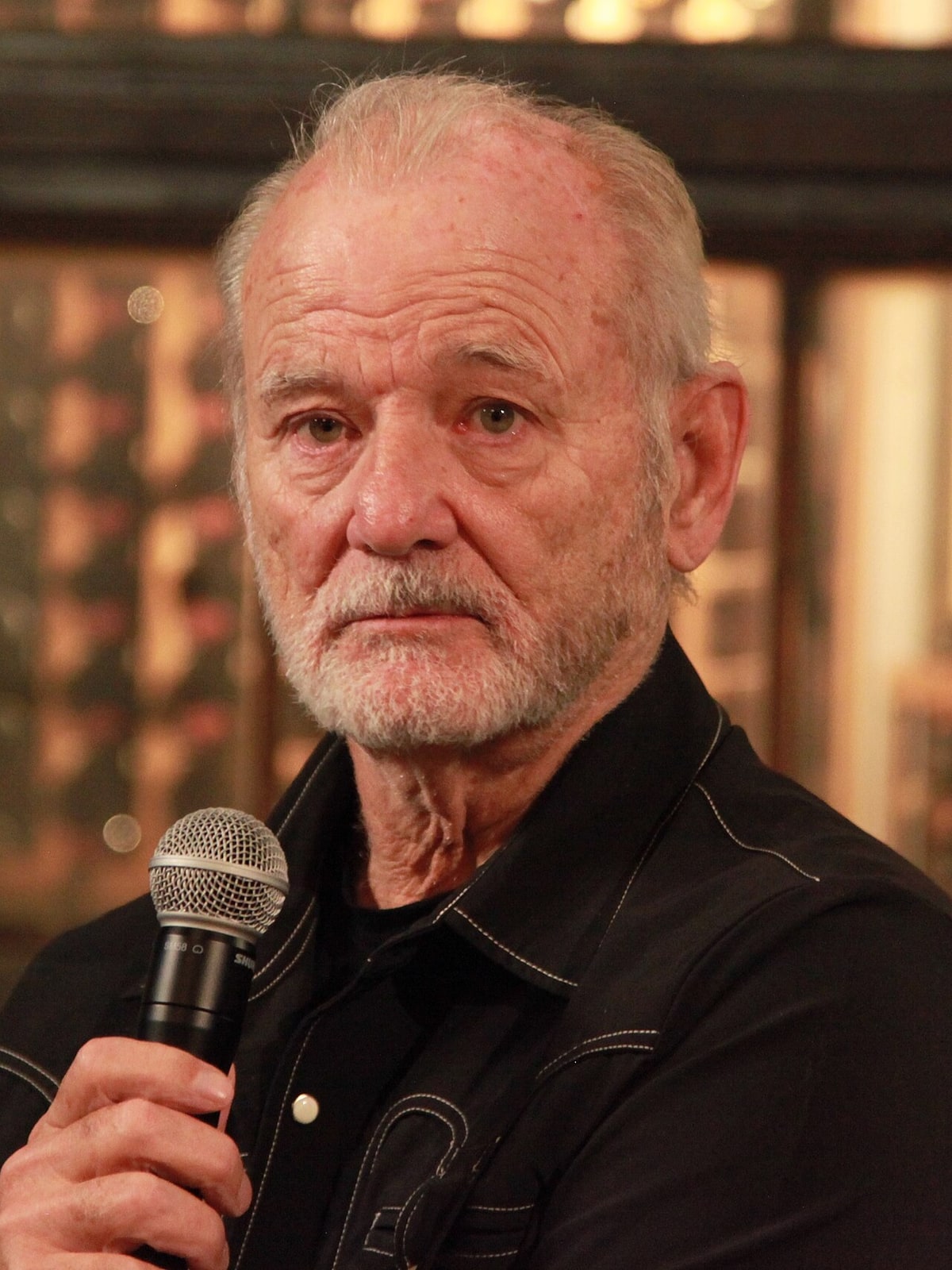
The useful distinction is between professional disagreement and how a colleague is addressed. A scene can be rewritten, a joke can be rejected, and a performer can ask for another take without anyone having to accept personal disrespect. Liu's account has lasted because it puts that boundary into a recognizable workplace setting. The public story belongs to a particular rehearsal and her subsequent recollection; it does not give an audience access to every later interaction between the actors.
3. Tom Hardy and Charlize Theron: the cost of a punishing production
Kyle Buchanan's oral history of Mad Max: Fury Road brought together accounts from the people who made it. An excerpt published by Vanity Fair in 2022 described severe tension between Hardy and Theron, including a confrontation over lateness. Both actors also reflected on their own limitations during the production. The record is therefore more complicated than a single villain-and-victim anecdote passed around without context.

A finished action sequence hides the repetitive labor needed to create it. Performers may spend days working toward a few seconds of screen time, while uncertainty and exhaustion accumulate. That context helps explain pressure; it does not excuse mistreatment. The most revealing part of this story is the retrospective perspective: people describing what they could not understand while they were still inside a difficult shoot.
4. Wesley Snipes and Ryan Reynolds: another scene, two decades later
Blade: Trinity and Deadpool & Wolverine provide a remarkably clear before-and-after in professional collaboration. Whatever readers make of the many stories surrounding the earlier film, Snipes and Reynolds did work together again in 2024. Director Shawn Levy told Variety that bringing Snipes back as Blade had been an early idea of Reynolds's. That first-hand production account is stronger evidence than another recycled rumor about the earlier set.
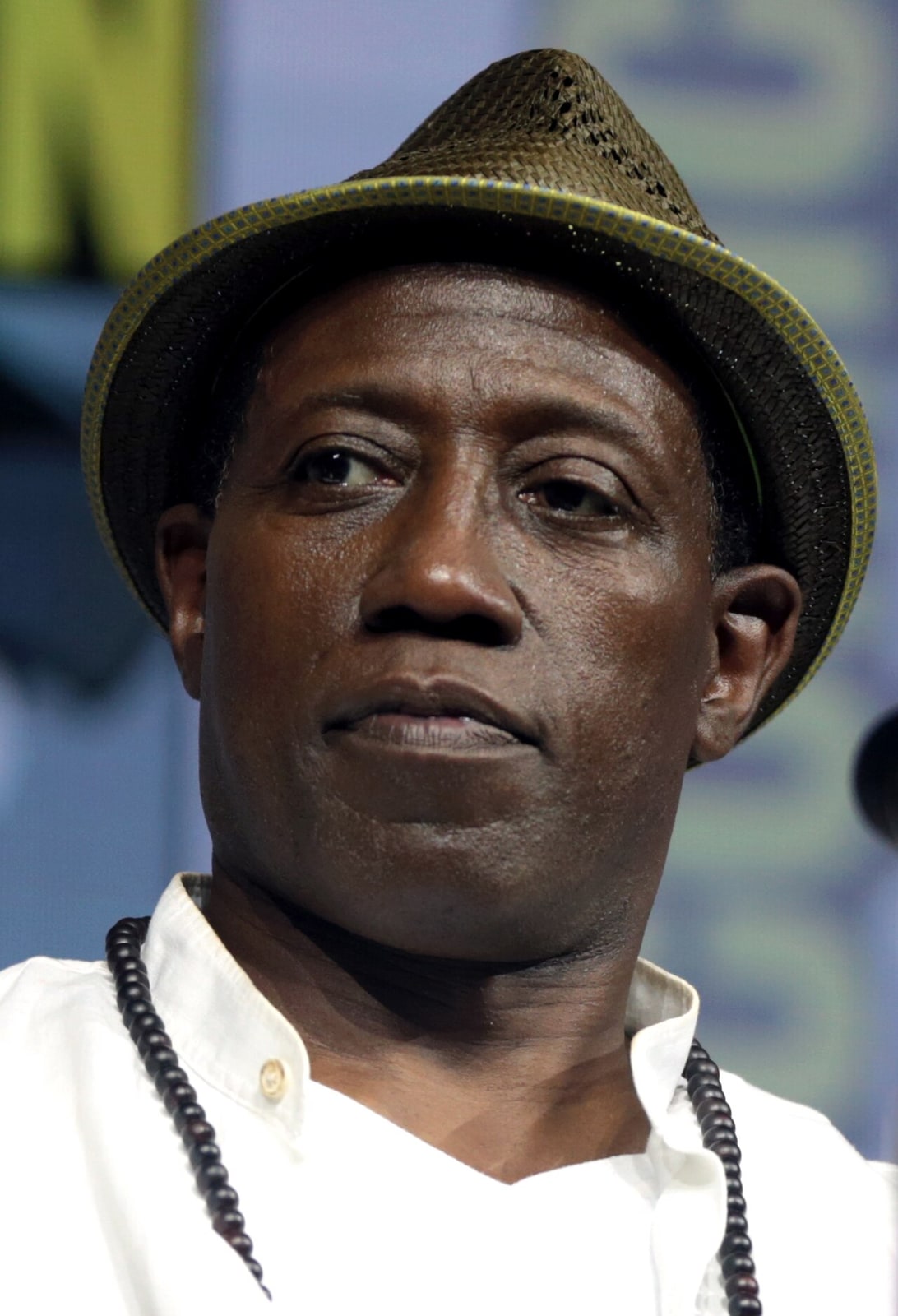
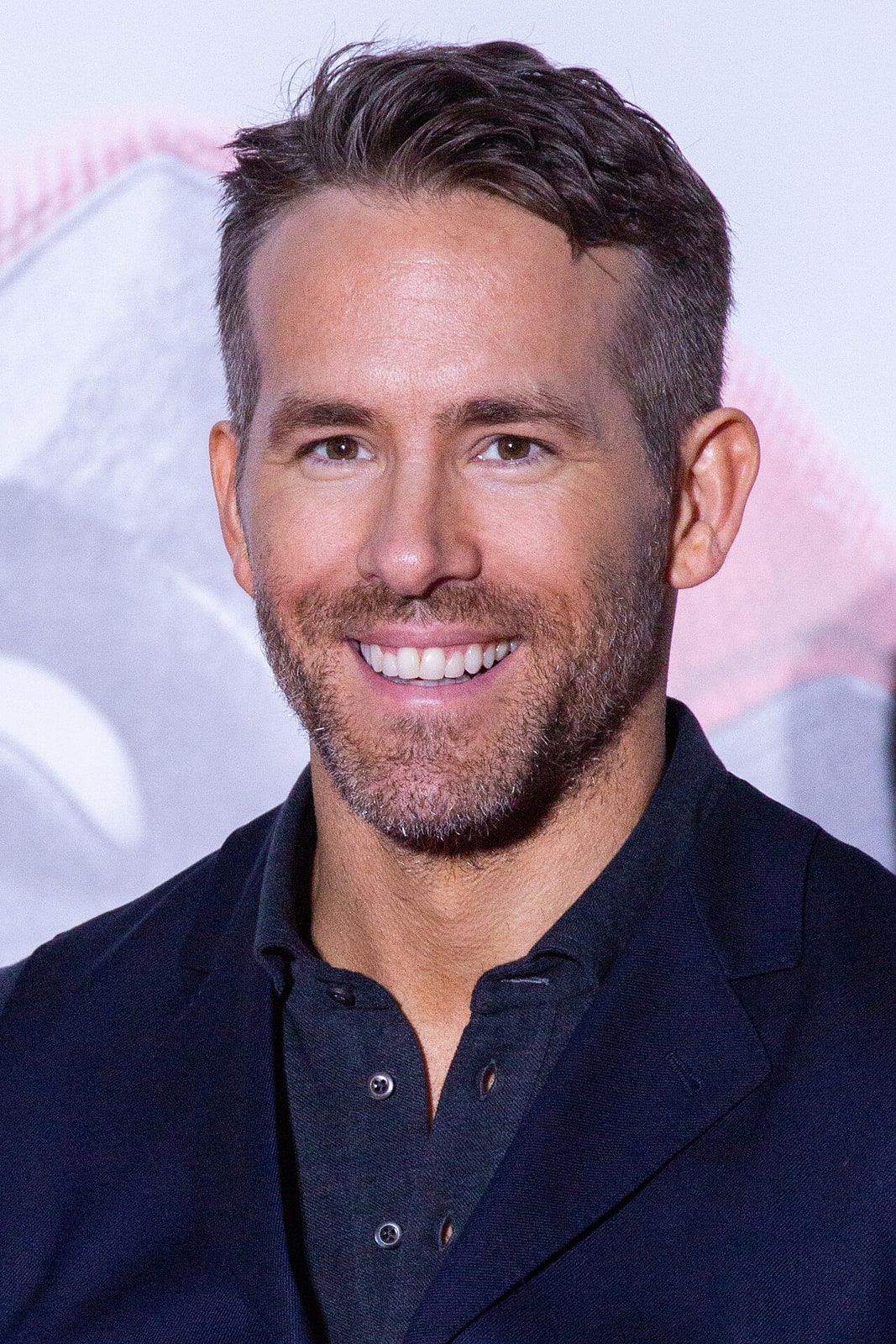
The return also had a purpose beyond nostalgia. Snipes's performance connected a newer superhero film to an earlier chapter of comic-book cinema, giving audiences a recognizable piece of its history. A reunion cannot tell us that every old disagreement disappeared. It can tell us that the people involved found enough common ground to make something new. Sometimes the most interesting answer to a feud story is sitting in the next film's credits.
5. Ryan Gosling and Rachel McAdams: chemistry was a job
In a 2014 interview recalled by Time, The Notebook director Nick Cassavetes described an early clash between his two leads. He said Gosling had asked to read with another actor during a difficult moment, and that the disagreement was subsequently worked through. The account came from the director; it should be understood as his recollection of the production, rather than a complete history of the actors' relationship.
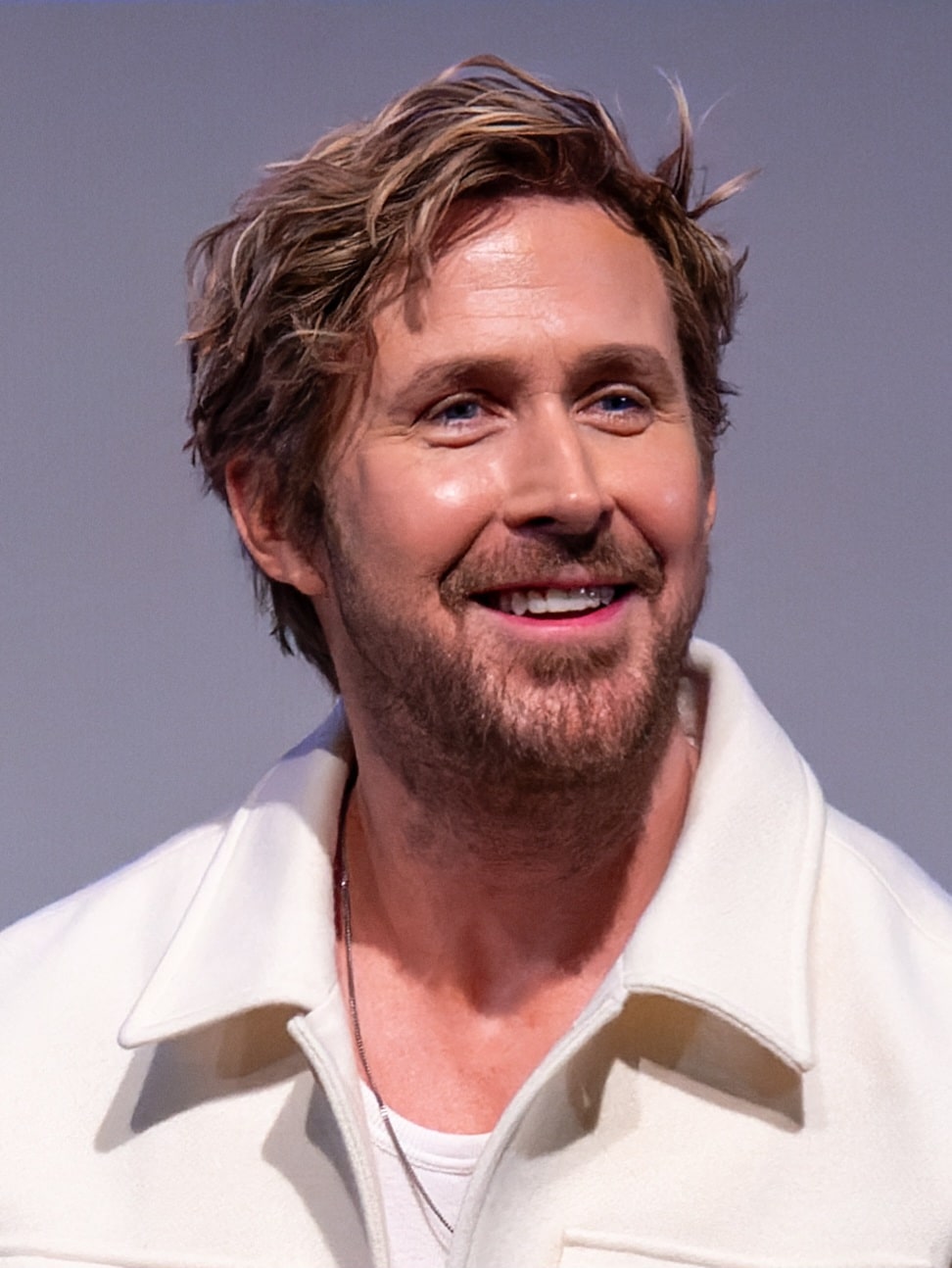

For viewers, the surprise is the distance between the scene and the atmosphere in which it was made. Screen chemistry can involve craft, timing, editing, and repeated attempts. It does not require every working day to feel romantic or harmonious. That is less scandalous than the usual headline, but much more interesting if you love films: the convincing emotional connection on screen was something the performers had to build.
6. Freddie Prinze Jr. and Kiefer Sutherland: two different accounts
During a 2014 interview with ABC News, Prinze was openly critical of working with Sutherland on 24. Sutherland's representative subsequently gave a different account, saying that Sutherland had enjoyed the collaboration and wished him well. Both parts belong in the story. Reporting one person's negative experience does not require pretending that the other person endorsed that description.

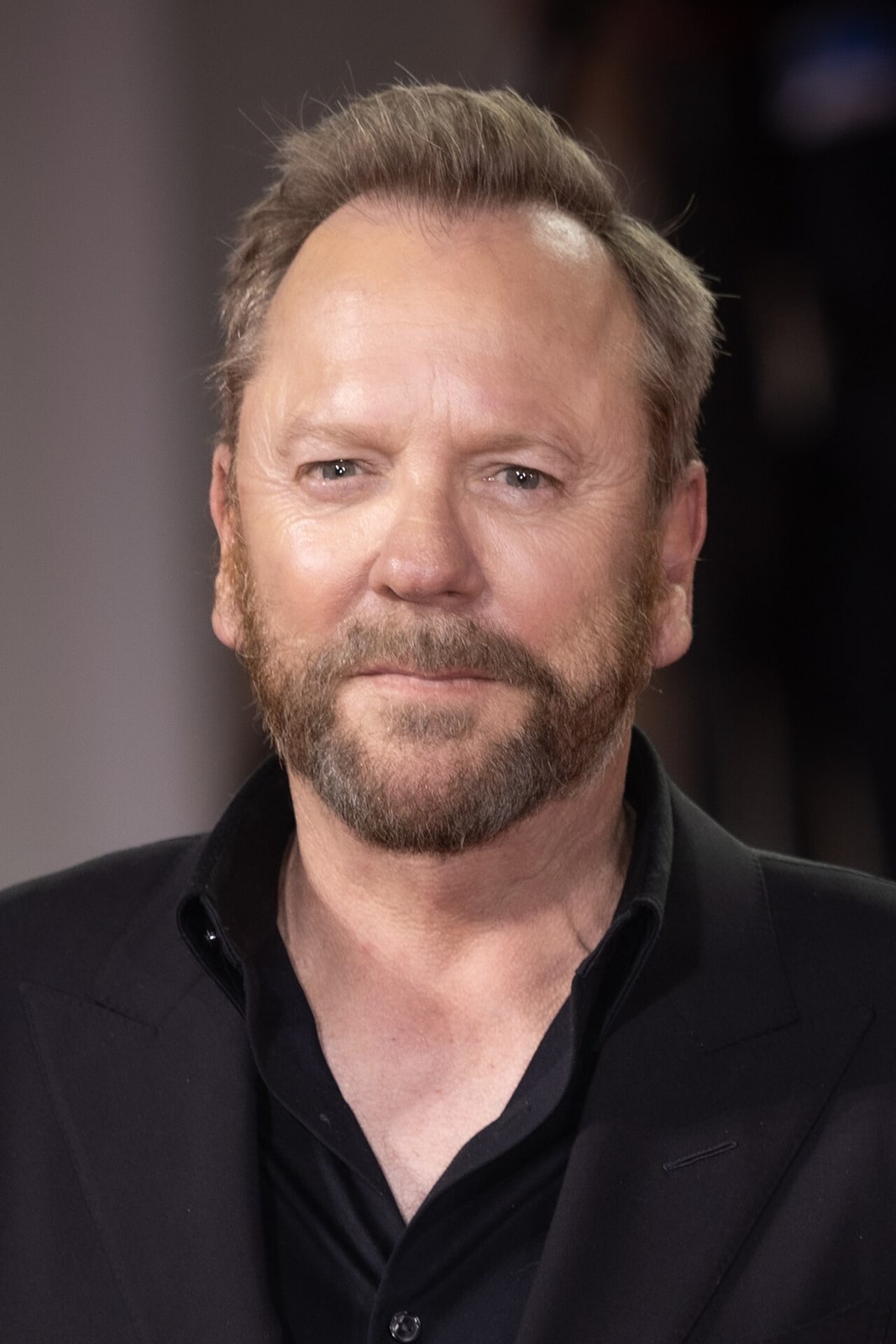
This is also a reminder of what a public interview can and cannot establish. It establishes what the speaker said and how they remembered the job. It does not automatically settle every disputed detail of a workplace. Readers can take Prinze's account seriously while keeping that boundary intact. The result is a more useful picture of a strained collaboration than a confident claim that two actors could never share a set again.
A difficult collaboration does not always produce a bad film, and a successful film does not guarantee a happy set. These stories occupy the uncomfortable space between the two. Their most surprising feature is how often the ending changed: a public reconciliation, a returning character or a later interview could give an old disagreement a very different shape.
Sources and further reading
- Reuters: Johnson announces his return, June 2023
- Asian Enough: Lucy Liu, July 27, 2021
- Vanity Fair: excerpt from Blood, Sweat & Chrome
- Variety: Shawn Levy on the Deadpool & Wolverine cameos
- Time: Cassavetes recalls making The Notebook
- ABC News: Freddie Prinze Jr. interview, 2014
- CBS: Sutherland representative response






.jpg)

.jpg)
.jpg)

_(cropped).jpg)
.jpg)
_(53388157347)_(cropped).jpg)

_(cropped).jpg)
.jpg)