
5 Stars Who Changed the Conversation About Beauty and Aging

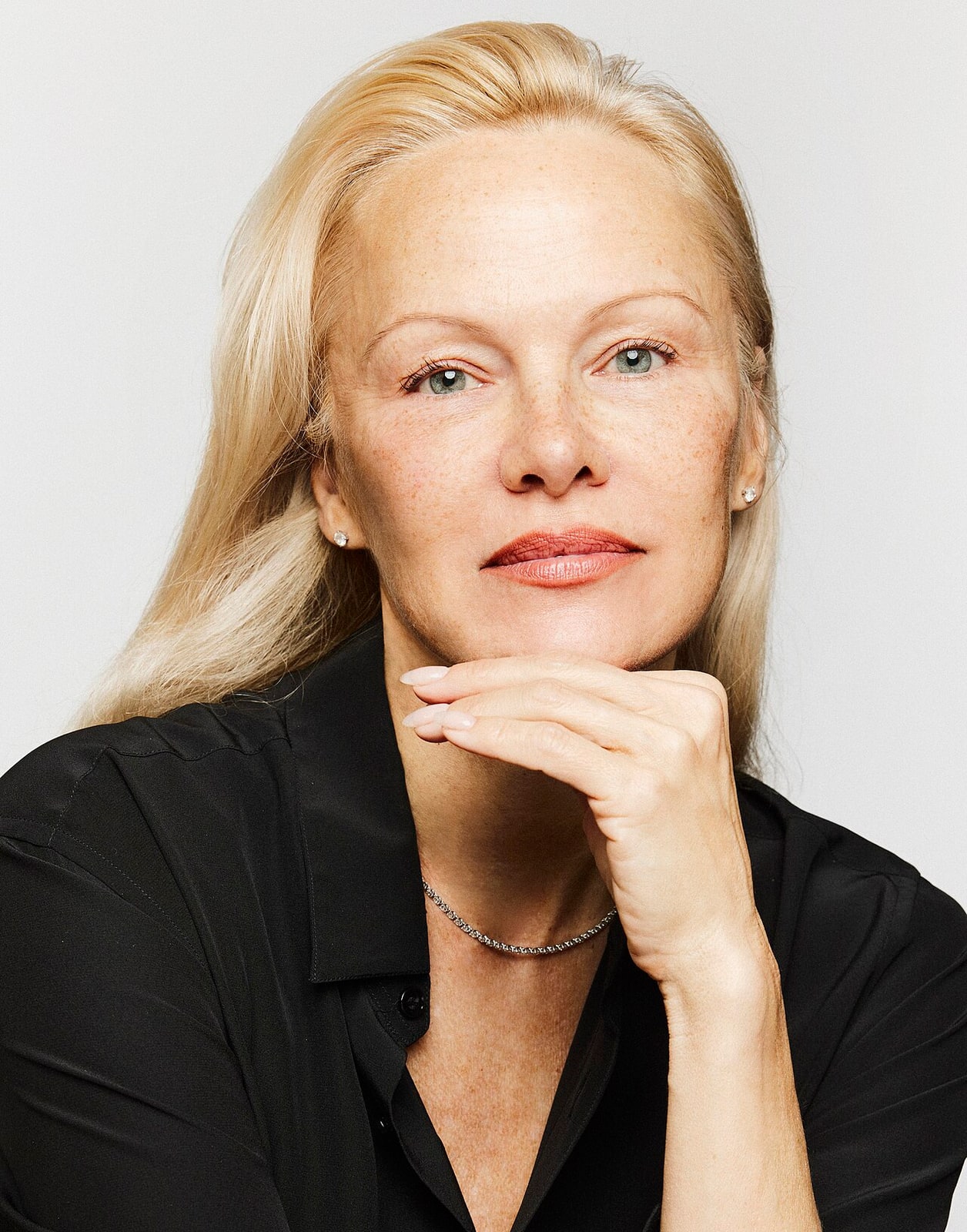
Pamela Anderson in a 2024 portrait by Norman Wong.
Photo: Norman Wong · CC BY-SA 4.0
A makeup-free arrival, silver curls on a red carpet or a candid interview about cosmetic treatments can become a bigger talking point than the event itself. These five women have each challenged a different expectation about how a familiar face is supposed to look. Pamela Anderson, Courteney Cox, Andie MacDowell, Jamie Lee Curtis and Renée Zellweger did not offer one shared beauty rule. They described personal choices and experiences—and, in doing so, made the usual celebrity before-and-after conversation a little more interesting.
1. Pamela Anderson: a quieter look can make the loudest entrance
When Anderson discussed going without makeup at Paris Fashion Week in her 2023 Vogue interview, she did not present it as a universal rule for other women. She described a choice that felt right for her at that moment. That qualification is important. A personal experiment does not have to become a lifelong contract, and wearing makeup on another occasion would not invalidate the earlier decision.
The cultural surprise was that a less constructed appearance became an event. Audiences had learned to recognize Anderson through a highly specific visual vocabulary, so a change in presentation felt larger than the products involved. The interesting question is not whether one version is more authentic than another. It is why a woman who has spent decades being photographed should still need to explain an ordinary decision about how to arrive in a room.
2. Courteney Cox: describing a decision in her own words
Cox spoke candidly to NewBeauty in 2017 about facial fillers and her decision to have them dissolved. Her account described gradual changes that became easier to recognize in retrospect. That is a first-person description of particular treatments and choices; it is very different from a stranger naming procedures after studying a photograph.
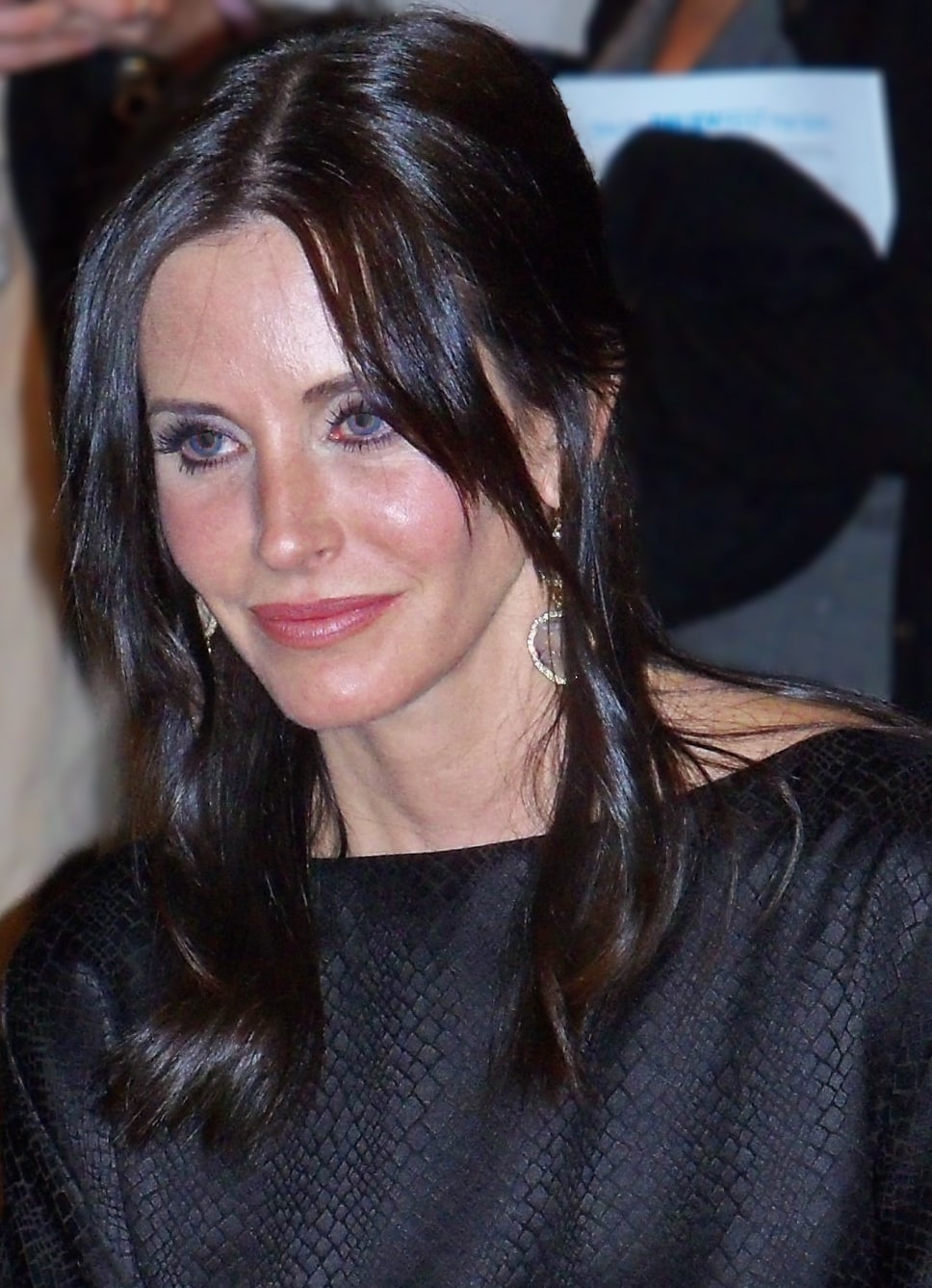
Her story also exposes the awkward logic of celebrity beauty commentary. A familiar face is expected to remain unchanged while the years continue to pass. If it changes naturally, people comment. If the person intervenes, people comment again. Cox's willingness to discuss what she had done gave the conversation something concrete to work with, but it did not create a general license to diagnose other faces. A disclosure belongs to the person making it, with the scope and limits that person supplies.
3. Andie MacDowell: silver hair changed the conversation
MacDowell has openly discussed wearing her hair gray and the expectations surrounding older women in beauty advertising. In her 2025 Allure interview, she looked back on her long relationship with the beauty industry and the way age had been framed during it. Hair color became a particularly visible place to challenge an assumption that looking older must always mean looking worse.
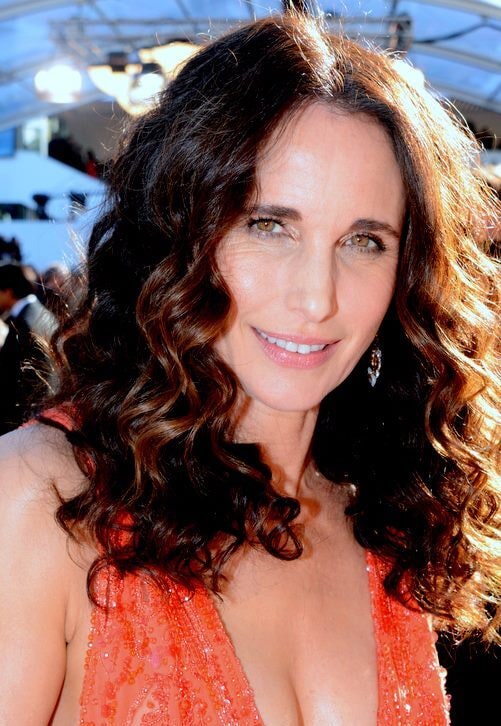
Silver curls also make an excellent example of how a style choice can change a familiar silhouette without supporting any larger theory about someone's health or cosmetic history. A darker color frames a face one way; silver catches light another way. The contrast is visually striking, but it is not a mystery that needs solving. The more interesting development is the range of beauty images available to women who no longer want youth to be the only reference point.
4. Jamie Lee Curtis: experience behind an outspoken opinion
Curtis has discussed cosmetic surgery and her own experiences in interviews, including a conversation carried by PBS's Amanpour & Company. Her criticism of appearance pressure therefore comes with a personal history, rather than being an abstract instruction aimed at other people. That difference helps explain the directness with which she talks about an industry organized around looking at faces.
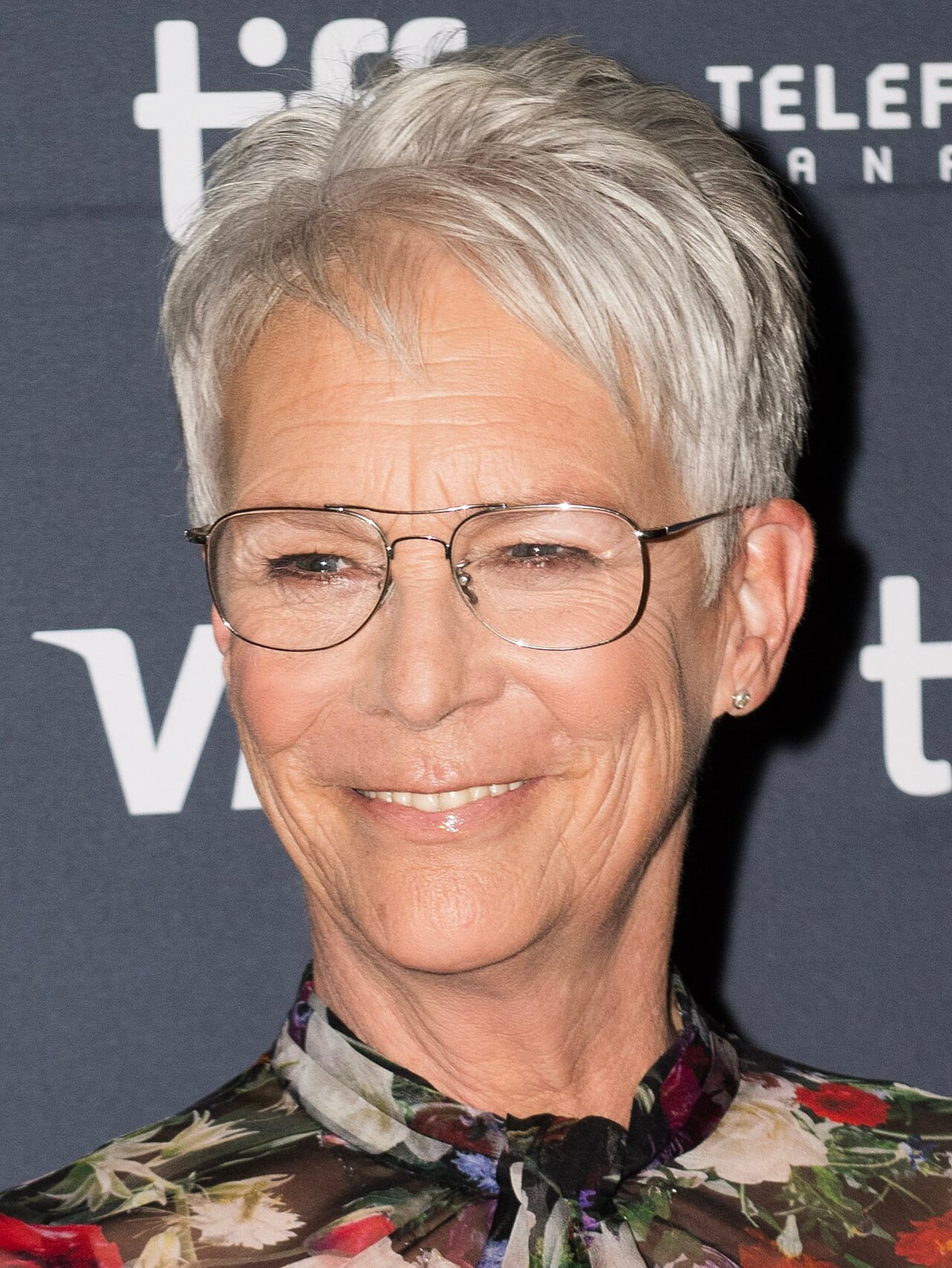
It is still possible to hear a strong opinion without turning it into a new beauty commandment. One person's regret does not establish what another person's experience must be. What Curtis contributes is a reminder that the public usually sees the image and not the circumstances behind a decision. The conversation becomes more humane when it allows someone to reconsider a choice without being mocked for making it, or celebrated only because the audience prefers the new result.
5. Renée Zellweger: redirecting attention toward the work
Zellweger addressed the intense attention to her appearance in a 2016 essay titled We Can Do Better. Coverage of the essay highlighted her criticism of a culture that gives a woman's looks greater attention than her contribution. The central argument was about what gets counted as news, rather than an invitation to create a more elaborate list of theories about her face.
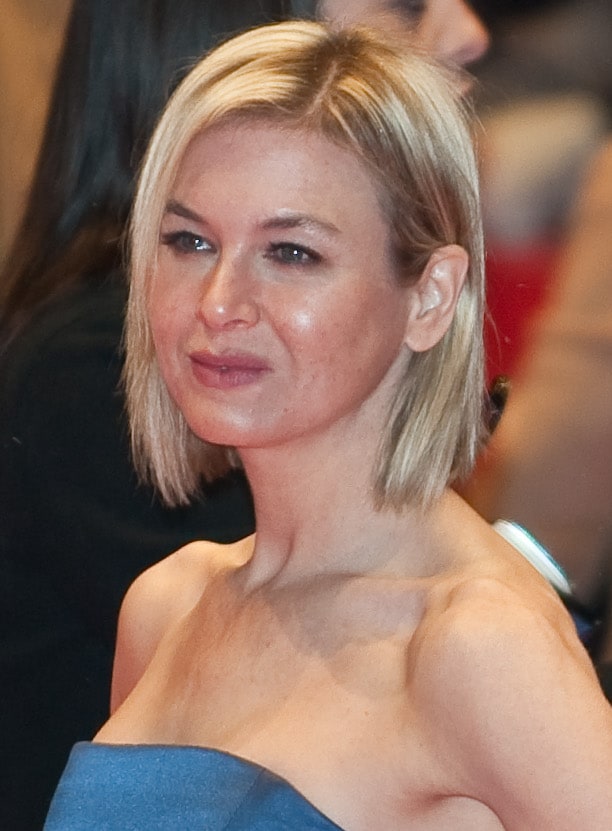
That question remains useful whenever an actor returns after a period away from the spotlight. Audiences have been rewatching an older performance while the person has continued living. The next photograph then gets measured against an image that never aged. A more rewarding way to revisit a performer is to ask how her choices, characters, or comic timing have developed. Those are things an audience can actually examine, instead of pretending that a still picture reveals a private medical history.
There is plenty of room between a glamorous appearance and a more pared-back one. These women have explored that space in different ways, sometimes changing their minds or questioning earlier choices. The most revealing detail is often the explanation they offered themselves: a reminder that even a face photographed for decades belongs to a person who keeps evolving.





.jpg)
.jpg)
.jpg)