
6 Ocean Creatures That Could Star in a Science-Fiction Movie

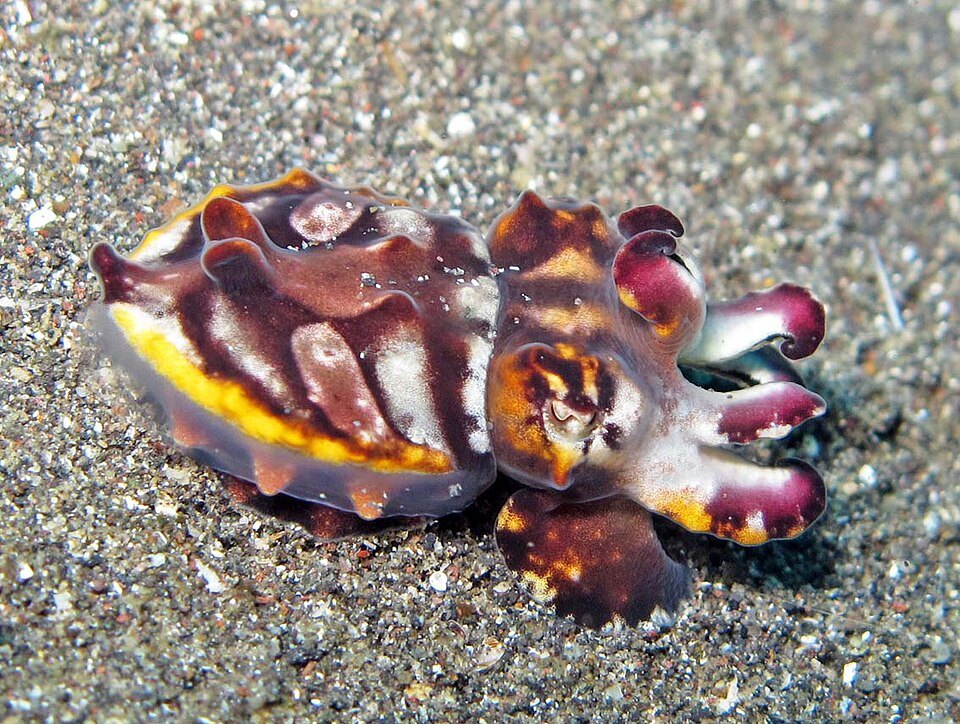
Flamboyant cuttlefish. Photo: Lakshmi Sawitri / Wikimedia Commons. CC BY 2.0. Resized; original image licence applies.
A shell can look like a spacecraft. A transparent body can seem threaded with light. Even a creature with “vampire” in its name can turn out to have a feeding strategy far less sinister than expected. The ocean is full of forms that look unfamiliar because we spend so little time in their world. These six photographs offer a closer look at the animals behind some of its most memorable silhouettes, from coastal waters to the deep sea.
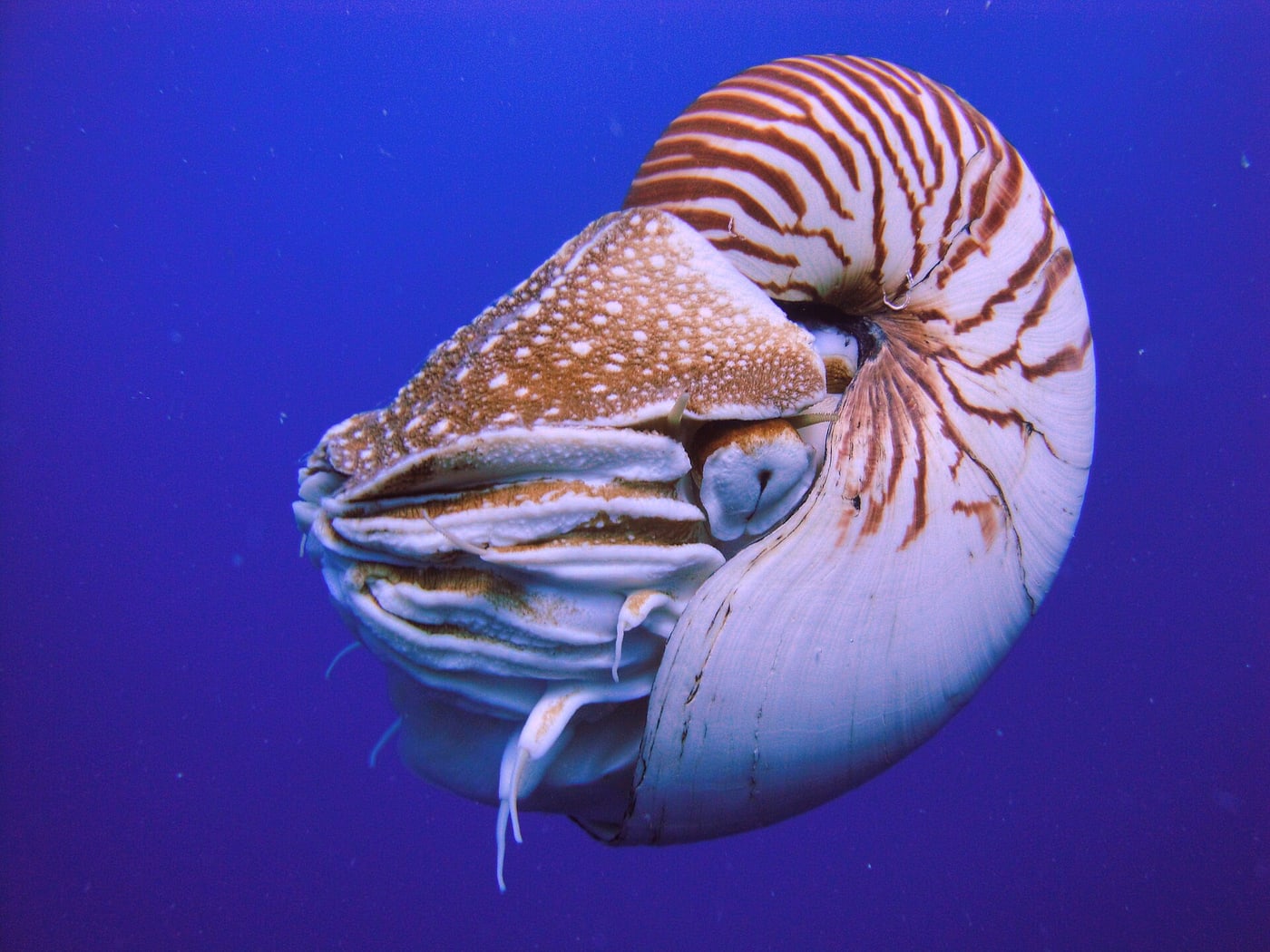
1. The nautilus brings its own spiral chamber
The nautilus combines a beautifully patterned external shell with a cluster of tentacles emerging from the opening. It belongs to the cephalopods, the group that also includes octopuses and squid, although its silhouette could hardly look more different. The shell is more than a protective house: its internal chambers form part of the animal’s buoyancy system.
The outside gives you only a hint of that hidden arrangement. Follow the brown markings around the curve and the shell seems almost deliberately decorated. Then look at the soft body emerging from it, which makes the whole structure feel less like an object in a collection and more like a working piece of equipment. A nautilus photograph holds those two impressions together: elegant geometry and a living animal navigating the water. [1]
2. The giant isopod looks like a familiar creature enlarged
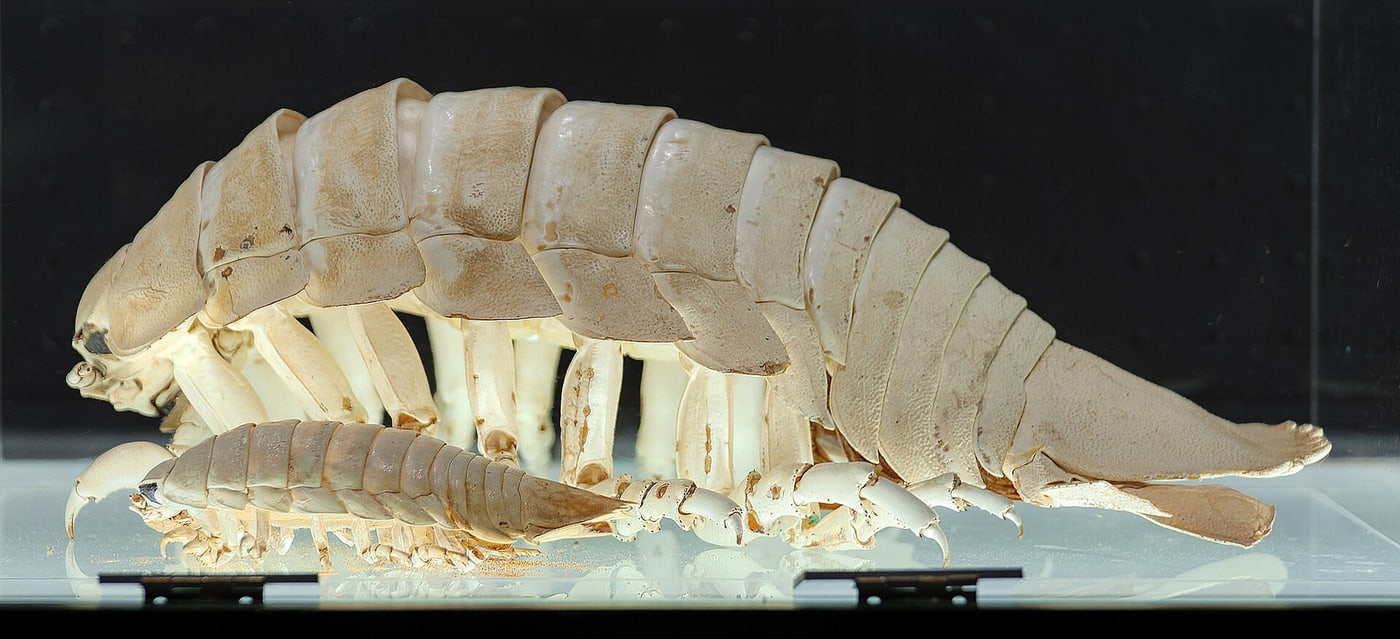
If a giant isopod reminds you of a garden pillbug, the resemblance has a real family connection. Both belong to the isopods. The large marine species in the genus Bathynomus have a segmented outer skeleton, jointed legs and antennae that give them the appearance of compact underwater machinery. The photograph shows the plated body especially clearly.
These animals help make use of food reaching the seafloor, including animal remains. That is a less glamorous role than hunting in open water, but an essential part of how deep-ocean communities function. The Monterey Bay Aquarium’s account describes the giant isopod as a scavenger of the deep. Once you notice the small working parts beneath the broad armour, the creature becomes less of a movie monster and more of a determined searcher. [2]
3. The dumbo octopus seems to fly underwater
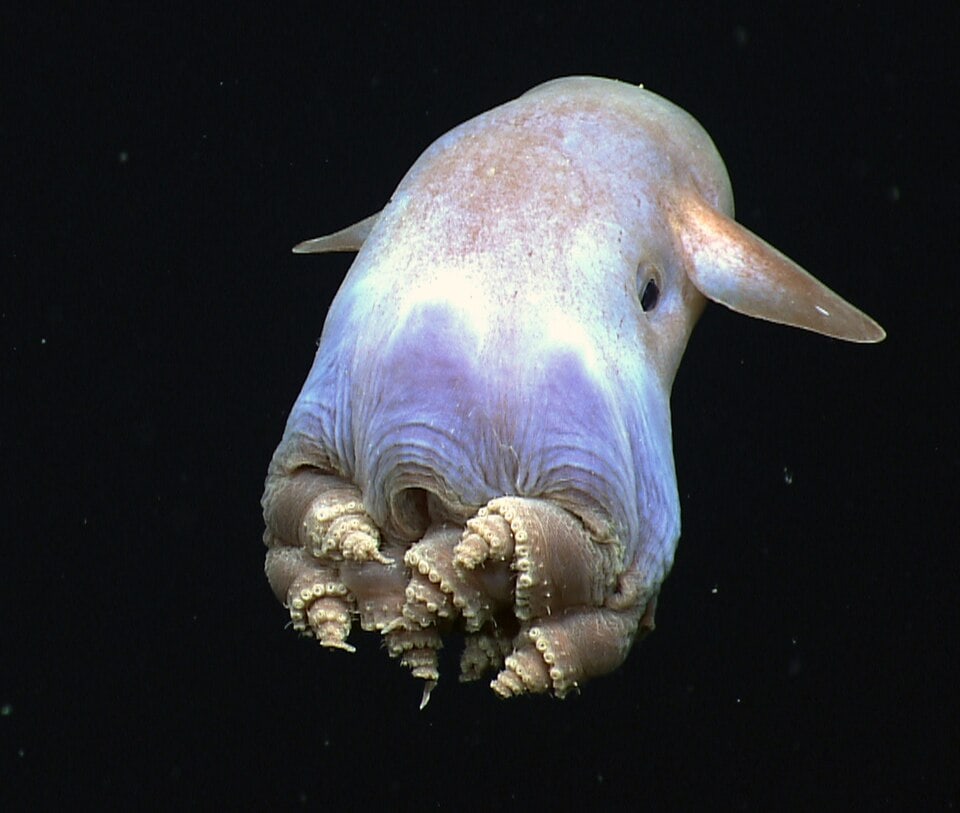
The paired fins on a dumbo octopus are responsible for the affectionate nickname. In photographs they can look like ears lifted away from a rounded head. They are swimming equipment, and their movement gives these deep-water octopuses an unusual, almost hovering appearance compared with the arm-led image many people associate with an octopus.
The umbrella-like web between the arms adds to that impression. Against a dark background, the soft outline can seem impossibly delicate, particularly when a research camera catches the animal facing forward. “Dumbo” is a common name used for more than one finned deep-sea octopus, so the label alone does not identify a species. What the picture does show clearly is a different way to arrange a very recognizable set of octopus parts. [3]
4. The flamboyant cuttlefish lives up to its name
A flamboyant cuttlefish can make the seabed look like a stage. Pale areas, dark bands and bright accents create a body pattern that seems designed to be noticed. The species is much smaller than that dramatic appearance might suggest. Its broad mantle and short arms produce a compact shape, especially when it moves close to the bottom.
The image captures one arrangement of colour, rather than a permanent painted surface. Cuttlefish can alter their skin’s appearance, which means a still photograph freezes only one moment in a shifting display. Look at the edges of the body as well as the brightest patches: the soft outline and the texture of the surrounding bottom are part of the scene. The spectacle is impressive without needing to make the animal larger or stranger than it already is. [4]
5. The vampire squid has a misleading reputation
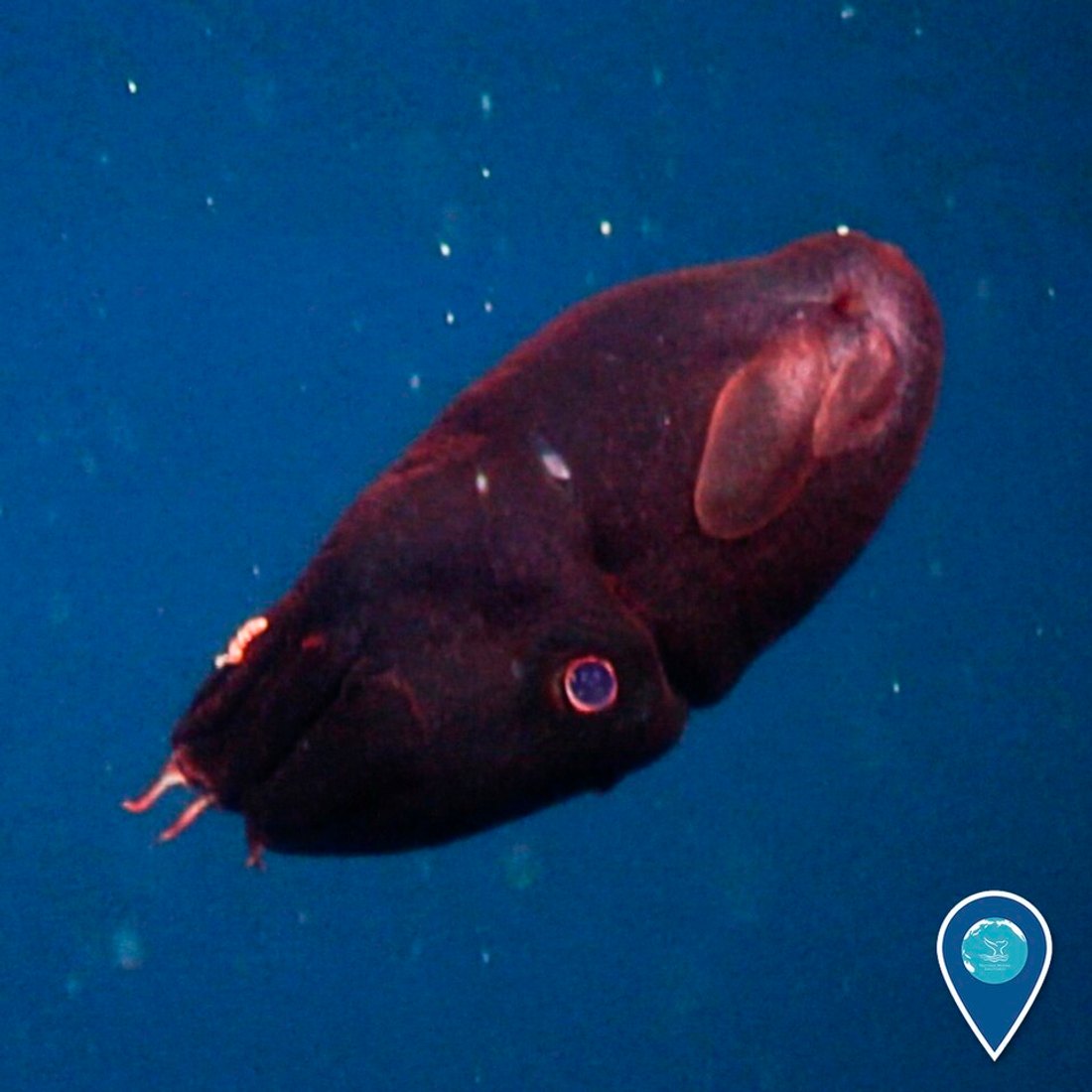
A dark body, webbed arms and a dramatic name make the vampire squid an easy candidate for an imagined deep-sea horror film. Its actual diet changes the story. MBARI researchers found that it uses long filaments to collect sinking organic material, including the debris often called marine snow. It is not cruising the depths in search of blood.
That feeding strategy is an excellent reason to look past a sensational name. In the photograph, particles surround a young animal, making the water seem full of small suspended possibilities. The body belongs to a real habitat, with food arriving in forms that are easy for a surface-dwelling observer to overlook. The vampire squid’s most interesting trick may be how quietly it makes a living in a difficult part of the ocean. [5]
6. Comb jellies turn tiny moving structures into a light show
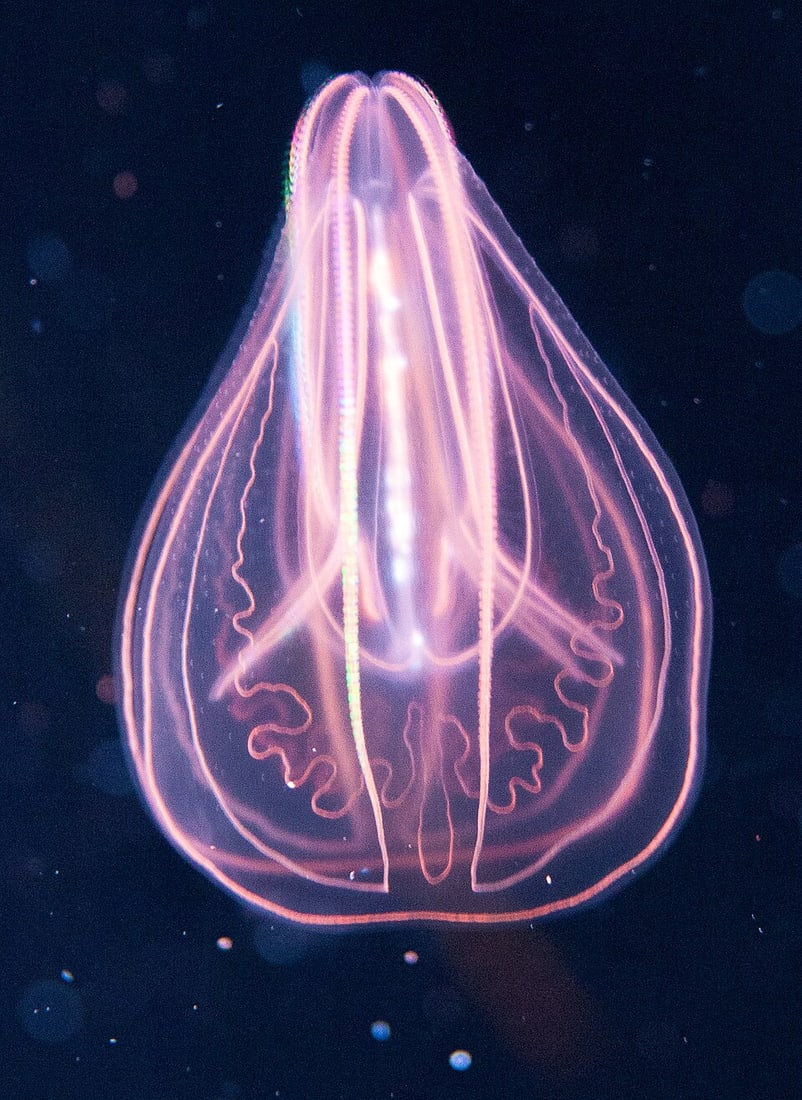
Comb jellies have rows of cilia that help propel their soft bodies through water. When light interacts with these moving rows, it can produce the rainbow-like effects that make photographs so arresting. The resulting bands may look like electric strips fitted along a transparent shell, although the animal has neither an electrical display nor a rigid shell.
That rainbow effect should also be distinguished from bioluminescence, the production of light by living organisms. Many marine animals can make light, but the familiar colours along comb rows are an optical effect. Comb jellies are also a different animal group from true jellyfish. A few details turn a beautiful image into a much richer one: a nearly transparent body, many coordinated tiny movements and light making those movements visible. [6]
These animals occupy different ocean environments and do not form one mysterious community waiting together in the dark. Their shared quality is how effectively a single photograph can expose the limits of our familiar land-based expectations. The real biology often supplies a better story than the monster version.

.jpg)


.jpg)
.jpg)
