
Orlando Bloom Through the Years: The Photos Behind a Changing Screen Image

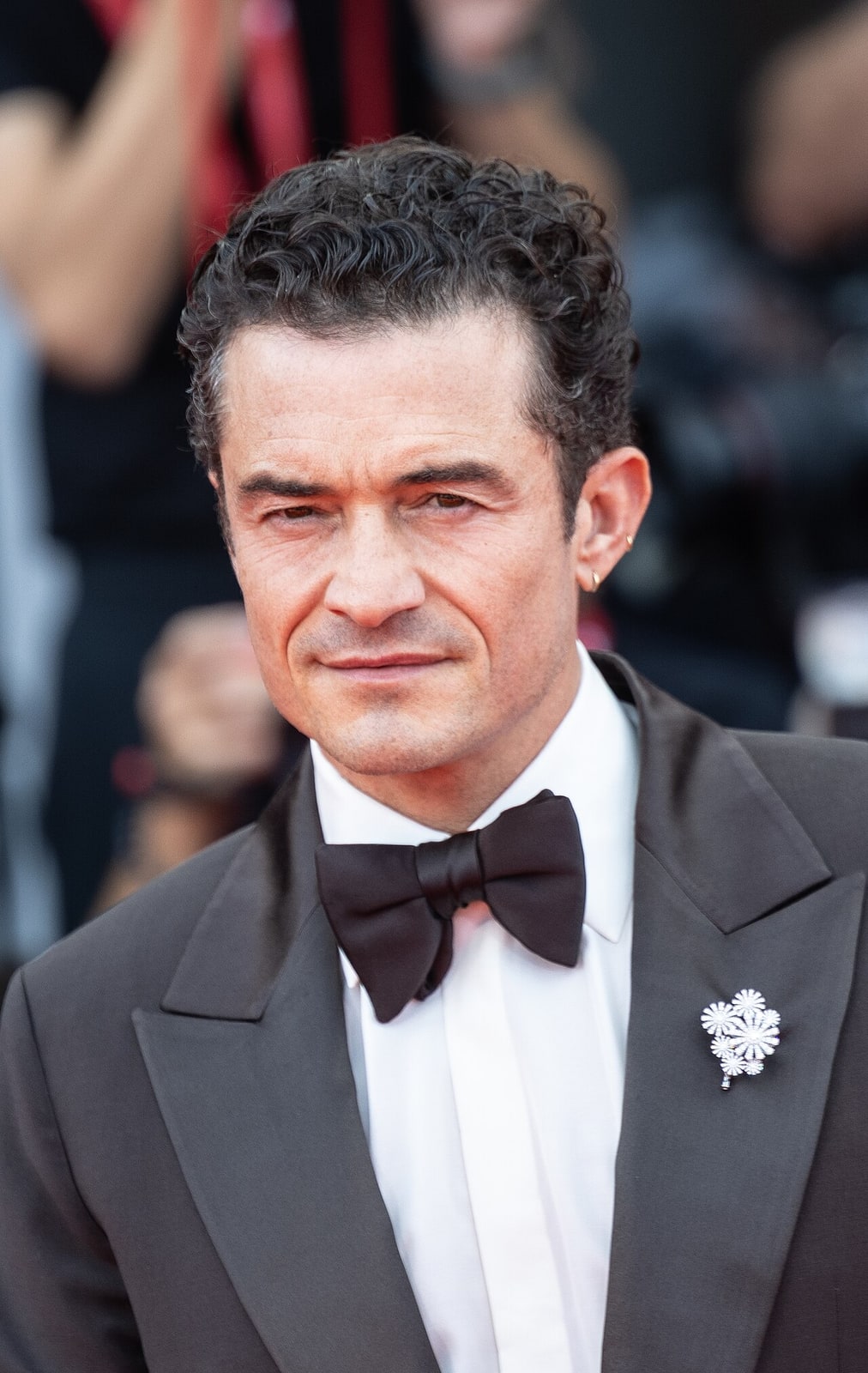
Orlando Bloom at the 83rd Venice International Film Festival in 2026.
Photo: Harald Krichel · CC BY-SA 4.0
Most viewers met Orlando Bloom wearing somebody else's hair. Legolas's pale, flowing locks and Will Turner's period styling became so familiar that ordinary red-carpet photographs could feel like a reveal. The actor outside those costumes was always changing alongside the roles. This gallery follows real public appearances, with the year or event identified where available. It is a look at styling, screen identity and the chapters of a career that stretched beyond those early blockbusters. The appeal is in the details: a different haircut, a less formal jacket, a smile caught between the posed frames.
1. 2005: a premiere-era wave to the crowd
The 2005 Venice photograph captures a familiar piece of the movie-premiere ritual: an actor acknowledging the people gathered beyond the cameras. The raised hand and loose hair make the moment feel less fixed than a conventional studio portrait. It is still a public appearance, carefully situated within a film festival, but the gesture supplies movement that a straight-to-camera headshot would lack.
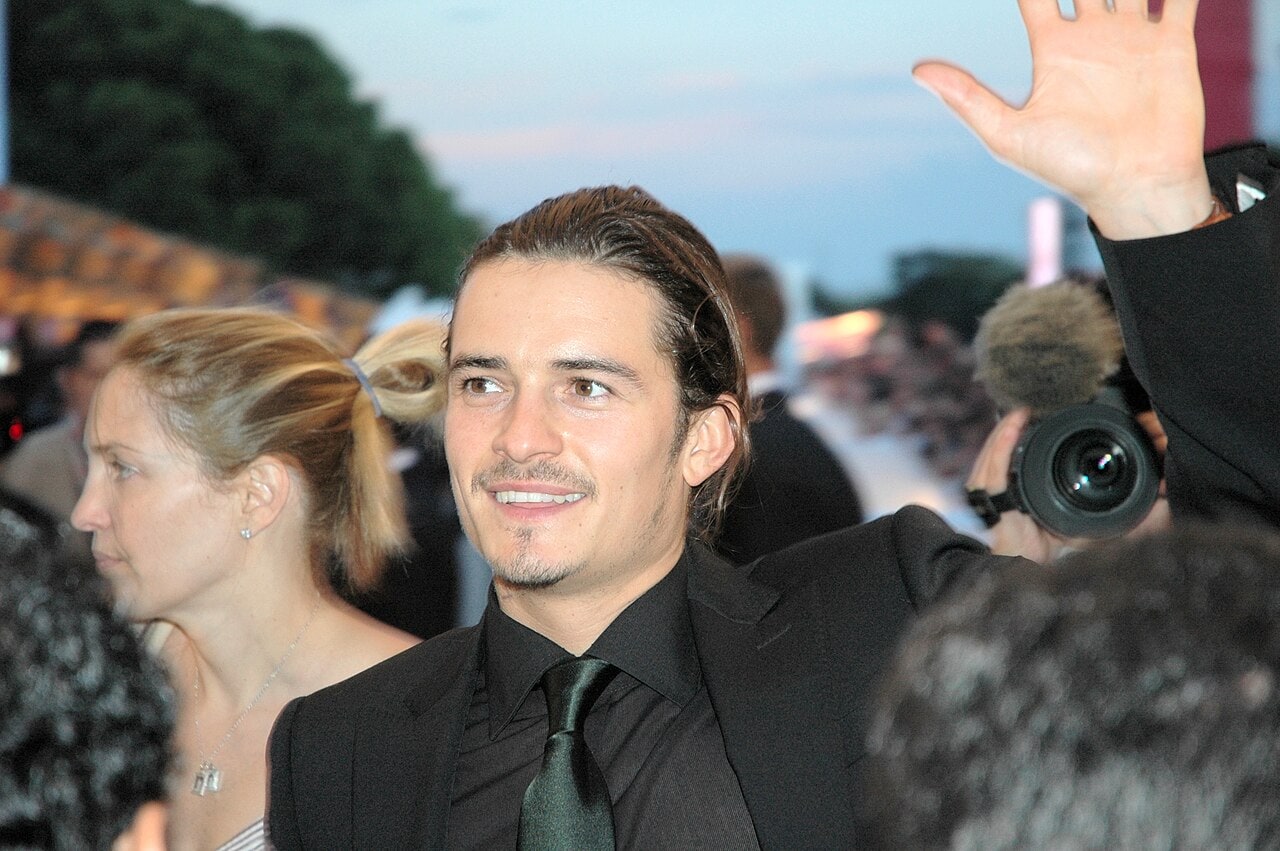
This was the period in which Bloom's identity was strongly connected with large-scale adventure films. Audiences could move between an elf, a pirate-era swordsman and a red-carpet guest while recognizing the same performer. The event picture is useful precisely because it removes the costume. What remains is the face audiences knew, presented in the language of a contemporary premiere rather than a fictional world.
2. Another early festival portrait, another kind of presence
A second early-career photograph shifts the emphasis from a broad public gesture to a closer look. The surrounding event still matters, but the frame asks you to notice expression and grooming first. That change of emphasis can make two pictures from a similar period feel surprisingly different. One describes a crowd-facing celebrity; the other offers the quieter fraction of a moment between appearances.
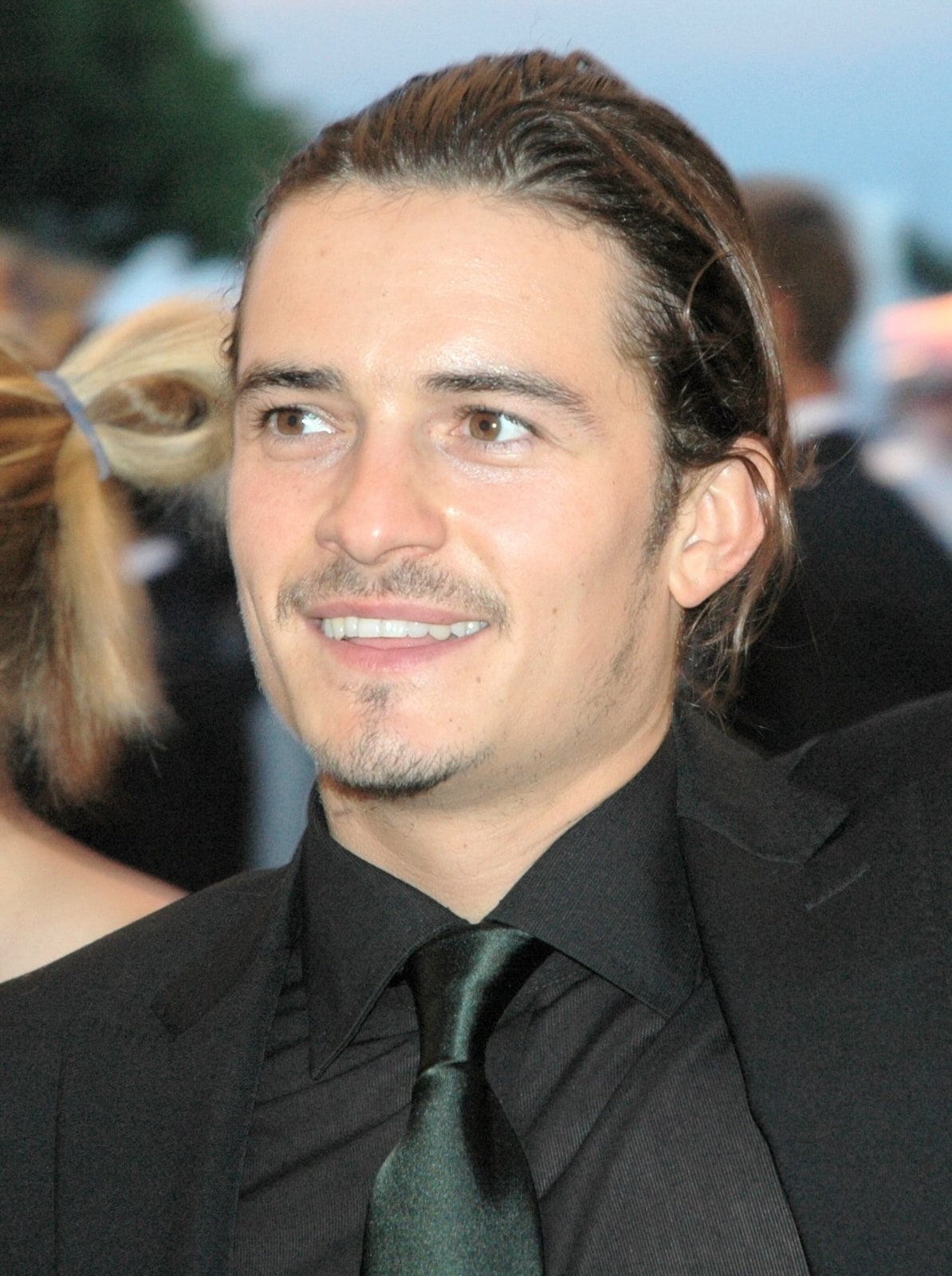
This is why a useful photo retrospective needs more than a dramatic “then” and “now” label. Two images rarely share the same lens, pose or lighting. A softer expression can change the impression as much as a haircut. Looking at several photographs in sequence lets the details settle into a career timeline instead of forcing every visible difference into a single sensational explanation.
3. Cannes in 2013: a sharper, more formal frame
The Cannes portrait puts Bloom in a very different visual setting. Formal clothes and a closer crop replace the movement of the earlier wave. The photograph emphasizes the face, with the background playing a supporting role. It is an example of how festival photography can make a performer look more reserved without telling us anything reliable about the person's mood outside that particular instant.
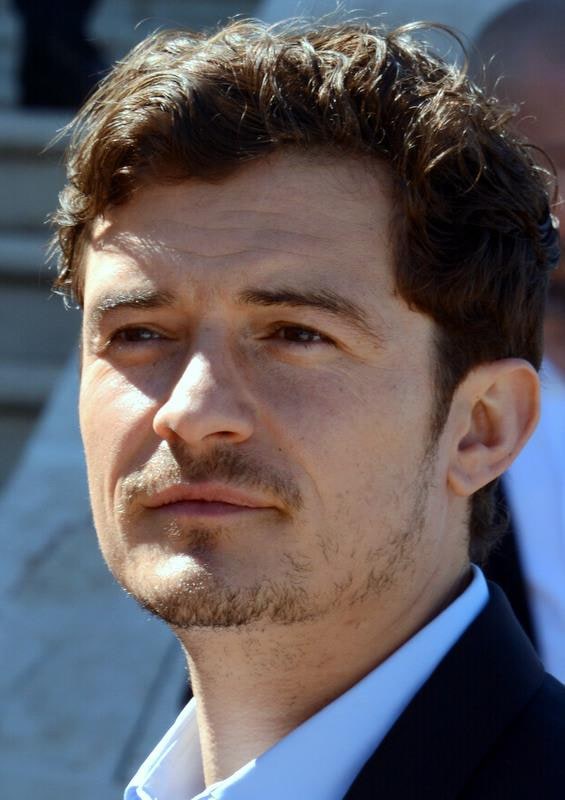
The contrast with a film still is also revealing. A costume and a production's lighting tell the audience how to read a character. On a red carpet, those cues are reduced to clothes, hair and the way the photographer catches the subject. The viewer fills in the rest, often drawing on whichever role they remember best. That familiar face arrives carrying several fictional identities even when none is physically present.
4. Hamburg in 2014: the conversation around a different kind of film
The Hamburg images come from the premiere of Zulu, giving this part of the gallery a specific film connection. One frame is more tightly focused on Bloom's face, while the other preserves more of the event. Together they show why photographers working in the same place can produce pictures with very different energy. A close crop highlights expression; a wider view restores the public occasion.
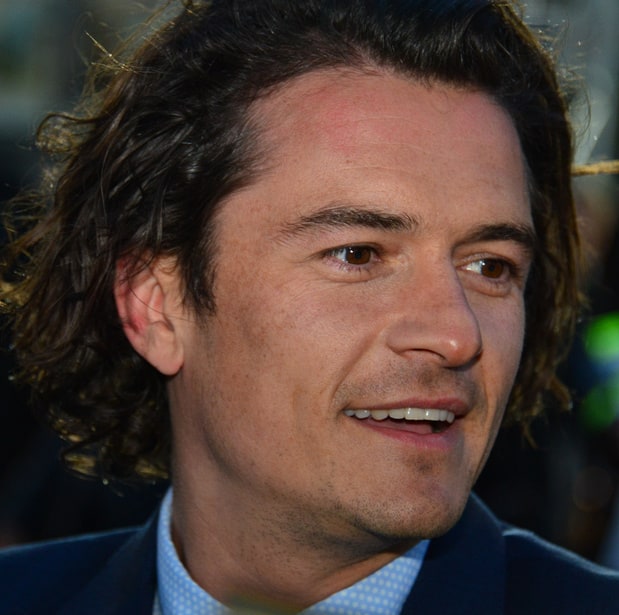
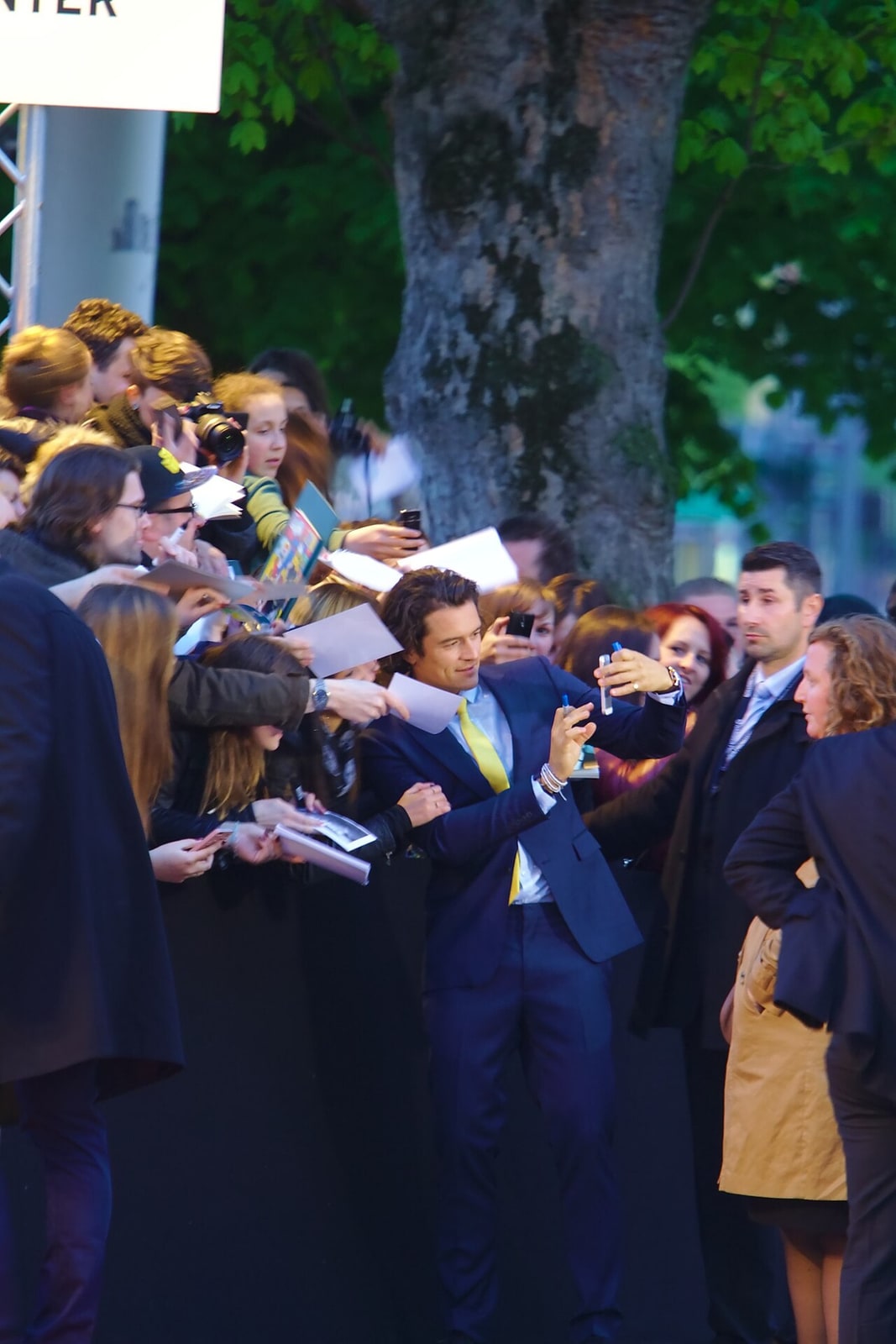
For an actor associated with elaborate fantasy and adventure worlds, a contemporary crime film changes the surrounding visual vocabulary. The publicity no longer depends on a bow, a ship or historical armour. These photographs belong to that shift in context. They are worth viewing as a pair, because the story lies partly in the difference between an individual portrait and the machinery of a film premiere around it.
5. A recent Venice appearance brings the timeline forward
The lead photograph's source identifies the occasion as the 83rd Venice International Film Festival. A formal dark suit and compact haircut create a noticeably different outline from the loose-haired premiere images earlier in this gallery. The comparison is visually interesting without requiring an invented explanation. Years, grooming, camera position and the demands of a public event all belong in the frame.
What persists is recognizability. Audiences who first encountered Bloom through Legolas or Will Turner can still connect the public figure with those performances, while the event photographs show a career moving beyond a single screen image. That is the real reward of a dated gallery: it lets several versions of a familiar performer coexist, rather than insisting that one publicity photograph must define the person forever.
6. The work beyond the premiere line
Bloom's public career also includes his role as a UNICEF Goodwill Ambassador, an appointment made in 2009. UNICEF has documented his visits and advocacy work, including a return to Ukraine in 2023. That part of his public life is easy to miss in an image feed dominated by movie events, because the most widely circulated portraits tend to come from the most heavily photographed settings.
During his March 2023 return to Ukraine, Bloom visited Kyiv, Irpin and Demydiv. UNICEF described meetings with children and families, a school whose basement had been converted into a shelter, and spaces where children could play and learn. His public appeal focused on education and the support children need when ordinary routines have been disrupted. Those visits add another chapter to a career usually remembered through cinema: using a recognizable name to draw attention to people whose experiences rarely receive the same spotlight.
Bloom's screen identity has always involved transformation: a fantasy archer, a period adventurer, a modern character and the actor appearing at a premiere between those jobs. The event photographs put that career into a human timescale. The face remains familiar while hair, clothes and the occasion change, giving audiences a different way to revisit someone they first met through a fictional character.

.jpg)


