
6 Famous Faces With Talents Beyond the Spotlight

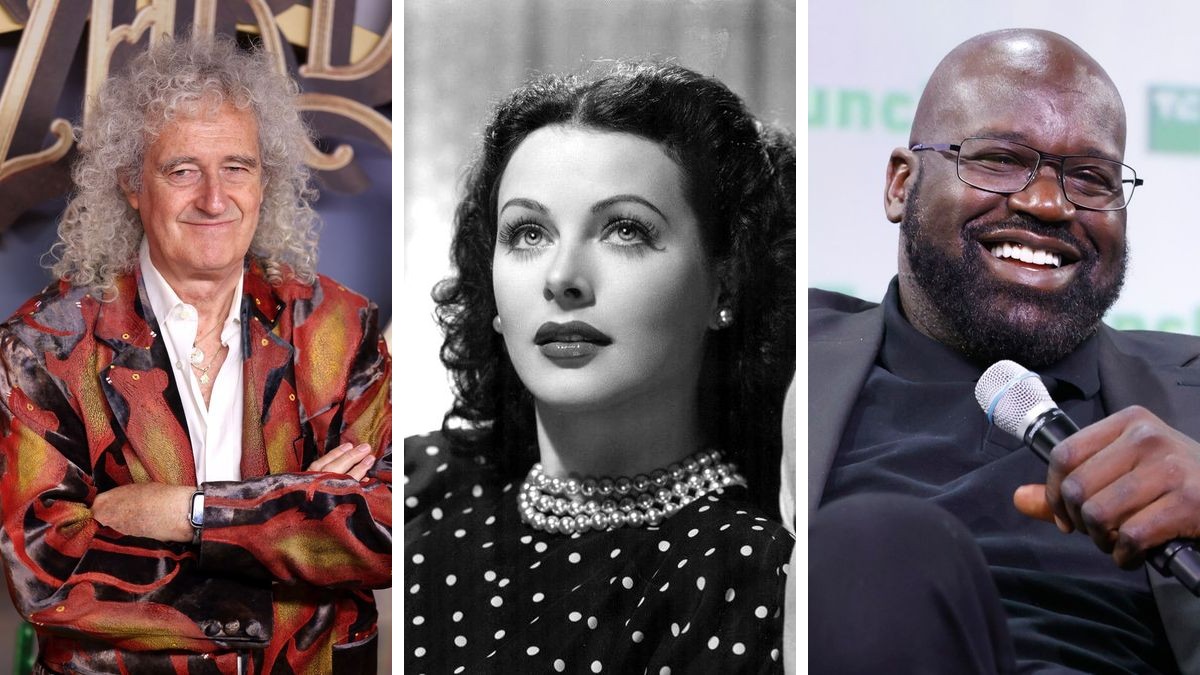
Brian May: Photo: Gage Skidmore / Wikimedia Commons. CC BY-SA 4.0. Cropped and resized for a photo collage; original image licence applies.
Hedy Lamarr: Photo: Unknown photographer / Wikimedia Commons. Public domain. Cropped and resized for a photo collage; original image licence applies.
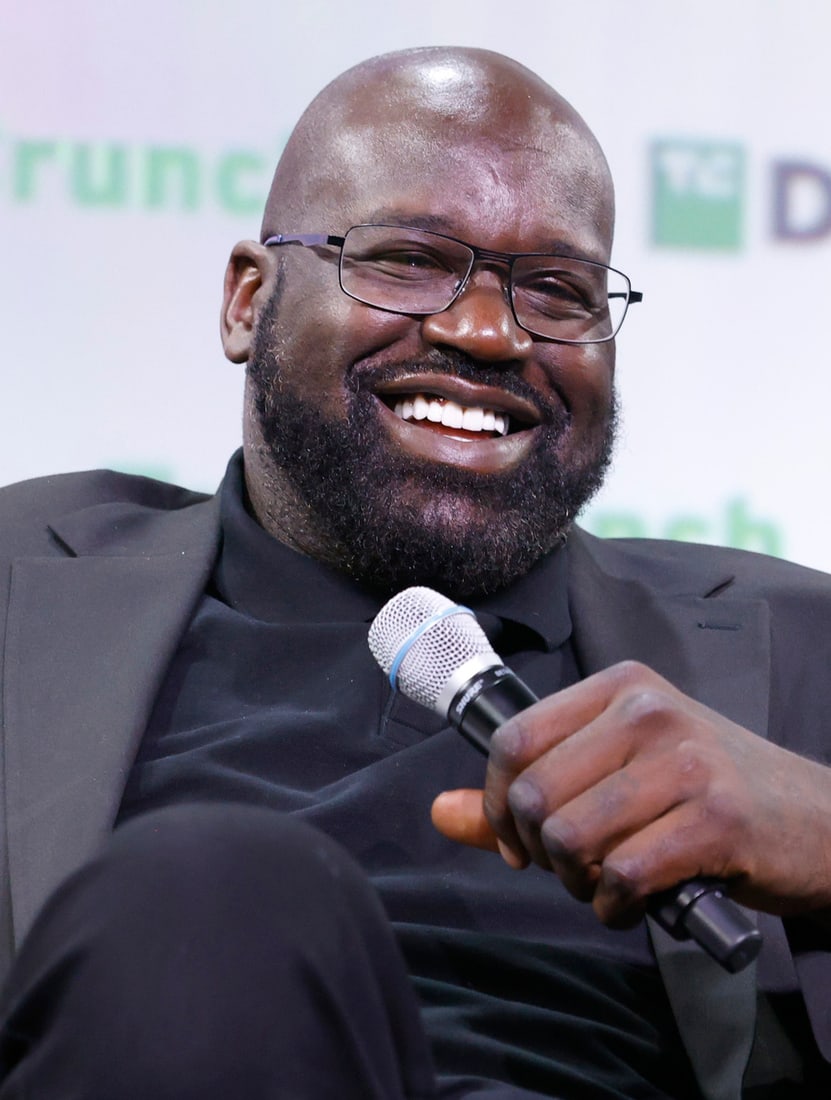
Shaquille O'Neal: Photo: TechCrunch / Wikimedia Commons. CC BY 2.0. Cropped and resized for a photo collage; original image licence applies.
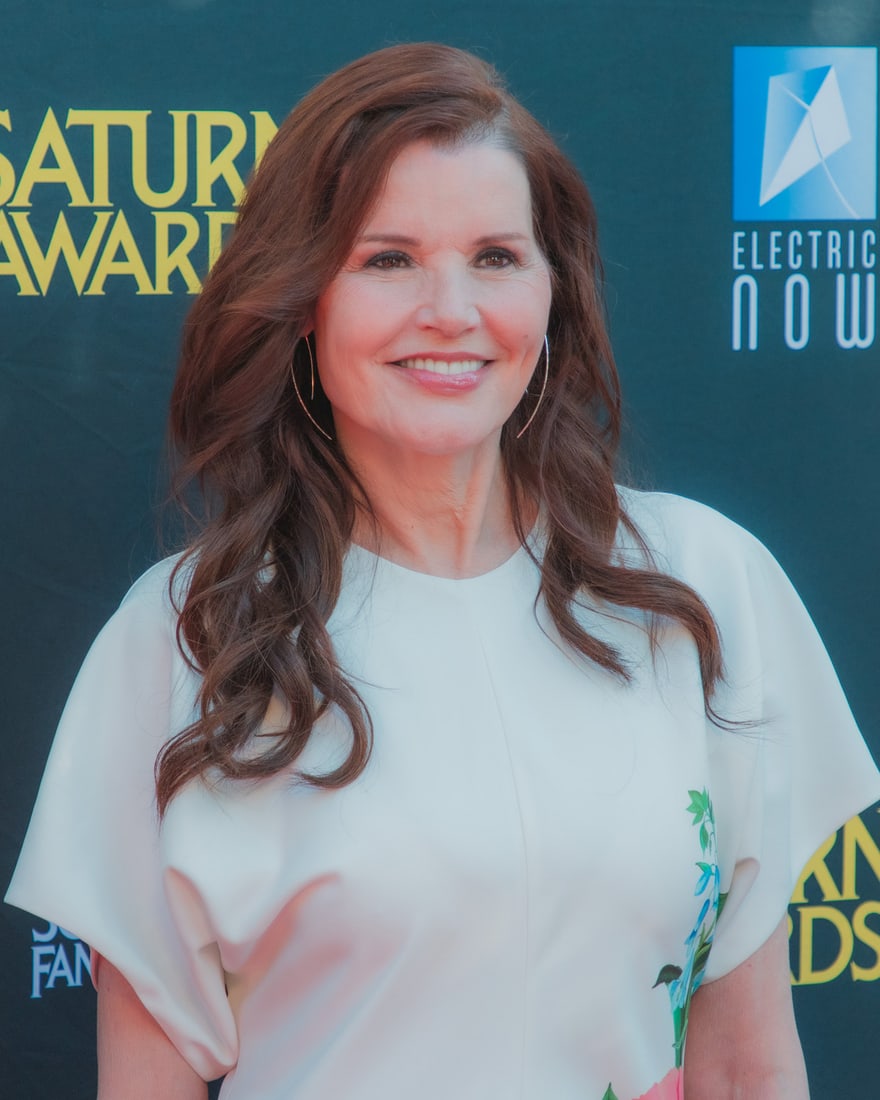
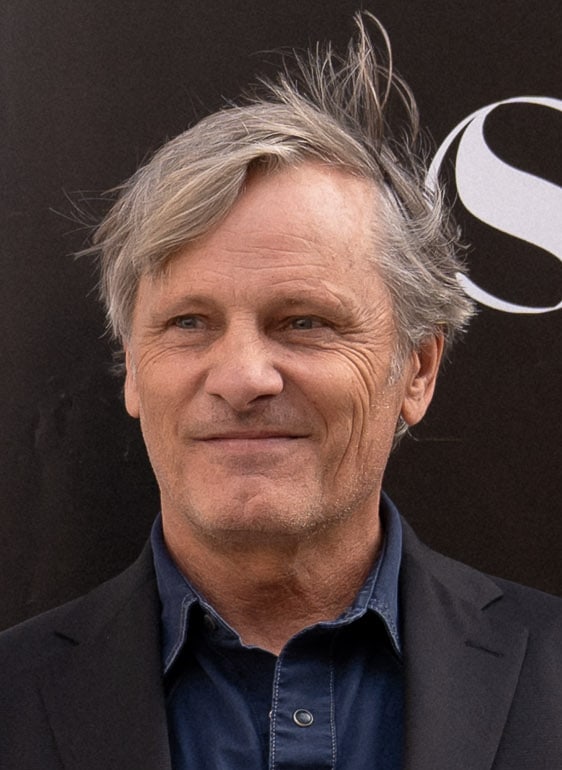
A celebrity photograph gives you one frame from a much larger life. The guitarist is also thinking about space dust. The comedian has another set of calluses from playing banjo. The actor you associate with an epic battle has published photographs you might walk past without recognizing the name. These six examples are especially enjoyable because the evidence goes beyond a claim that someone “has a hidden talent.” There are records, books, performances and years of practice behind them.
1. Brian May went back to the universe
The Queen guitarist’s academic story has a wonderfully long intermission. May studied at Imperial College London before the band’s success took over his working life. Decades later, he returned to the research he had left unfinished and completed his astrophysics doctorate in 2007. His subject concerned zodiacal dust, the material scattered through the inner Solar System.
It is a striking combination because each career has its own demands. Playing a stadium does not complete a thesis, and academic credentials do not produce a memorable guitar solo. May did the work in both settings. Next time his name appears alongside an astronomy project, there is a real research history behind it. The photograph may show the instantly recognizable musician, but the professional biography has another substantial chapter running through it. [1]
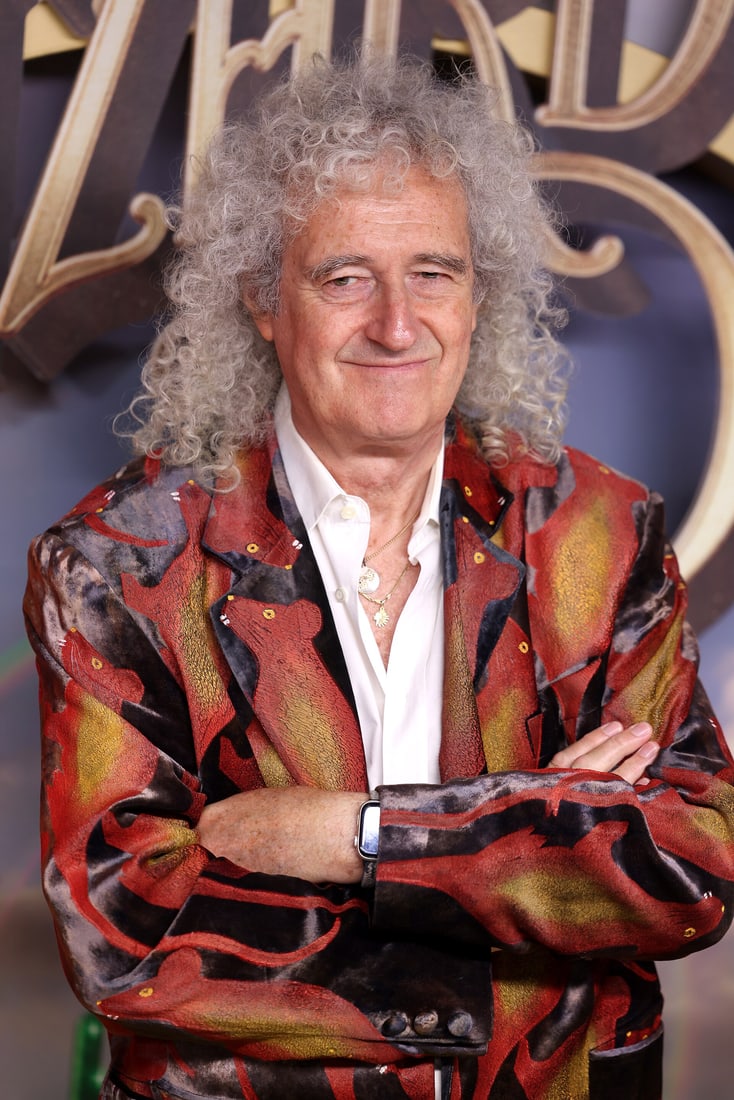
2. Steve Martin has a second audience listening closely
A banjo can look like a prop when it appears in a comedian’s hands. In Steve Martin’s case, it deserves its own spotlight. His recording The Crow: New Songs for the 5-String Banjo won the bluegrass-album Grammy in 2010, and his music career includes work with established bluegrass players and collaborations with singer-songwriter Edie Brickell.
There is a different pleasure in watching someone known for delivering a punchline concentrate on an instrumental passage. The timing is still there, but the audience is listening for another kind of payoff. Martin’s music also offers an easy way to explore this side of his work without needing a complete biography: play a track, follow the banjo part and notice how quickly the familiar comic persona stops being the main event. [2]
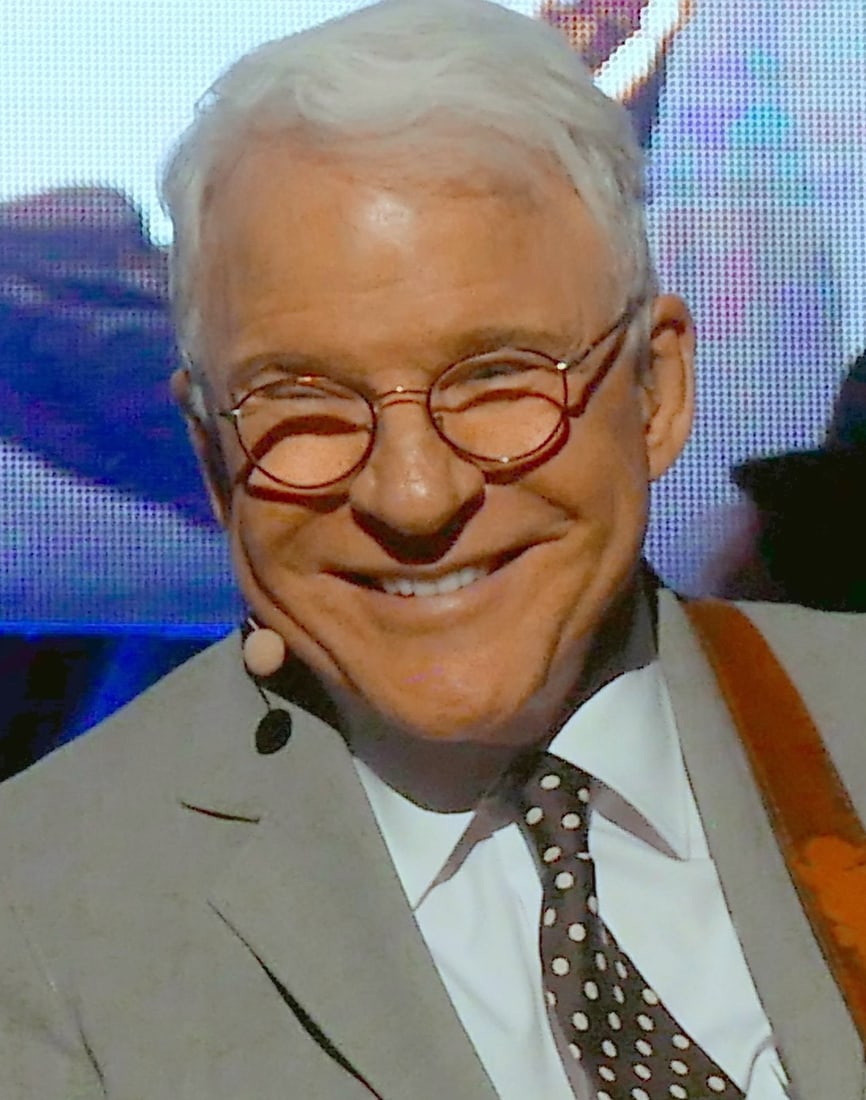
3. Hedy Lamarr helped put an invention on paper
The carefully lit publicity portraits of Hedy Lamarr tell only part of her story. During the Second World War, she worked with composer George Antheil on a proposed secret communications system. Their 1942 patent described a way for a transmitter and receiver to change radio frequencies together, making an enemy’s interference more difficult.
The popular shorthand that Lamarr simply “invented Wi-Fi” compresses a much more complicated technological history. The specific collaboration and patent are impressive enough on their own. They show a film star engaging with a difficult communications problem while working in an industry that primarily sold her image. Looking from the glamorous portrait to the patent drawings is the real surprise: two very different kinds of public record, connected to the same person. [3]
4. Geena Davis took aim at a very demanding target
Archery was more than a casual break from acting for Geena Davis. She trained seriously and competed in the American trials process for the 2000 Olympics. She did not make the Olympic team, a distinction that matters when this story is retold. Reaching that level of competition was still an unusual second pursuit for an established screen performer.
A target range offers a very different test from a film set. A well-known name cannot change where an arrow lands, and an excellent previous shot does not guarantee the next one. That makes this particular celebrity side interest compelling: the result is visible and measurable. The story also has value without a fairy-tale ending. Taking up a difficult discipline and testing yourself against experienced competitors can be remarkable even when someone else earns the place. [4]
5. Viggo Mortensen works on the other side of the camera
For many viewers, Viggo Mortensen will always be associated with Aragorn. His creative output extends well beyond performing, including photography and books published through Perceval Press. The catalogue for his SÅDANSET exhibition, for example, documents photographs shown in Roskilde, Denmark, in 2008. This is work intended to be looked at slowly, away from a film’s forward momentum.
A photograph asks the viewer to spend time inside one selected instant. That makes an interesting companion to acting, where meaning often builds through movement, dialogue and editing. You do not have to decide whether the actor or the photographer is the “real” Mortensen. The more useful discovery is that a familiar screen presence can lead you to a separate body of work with its own pace and visual interests. [5]
6. Shaquille O’Neal brings his presence to the DJ booth
Shaquille O’Neal is difficult to overlook in any setting, including behind a set of decks. Performing as DJ Diesel, the former basketball star has developed a public music identity built around high-energy electronic sets. For people who first knew him from the NBA, the sight of him directing a festival crowd can still produce a moment of double recognition.
There is a visible connection between the two settings: a large crowd, a strong sense of timing and a performer responding to the room. The practical craft is different, of course. A basketball reputation gets attention, while a music audience still wants a set worth hearing. His example rounds out this list because the extra talent is not especially hidden anymore. It has grown into another way audiences know an already famous face. [6]
The interesting question is what each person actually made or did. A thesis, a patent, an exhibition and a recording are concrete things you can explore for yourself. They give these stories more substance than a collection of surprising labels—and make the next familiar celebrity portrait a little less predictable.




.jpg)

.jpg)
.jpg)

.jpg)