
6 Stars Who Put Their Own Words Behind the Health Headlines


Selena Gomez, actor, at the 2024 Toronto International Film Festival (TIFF) in Toronto, Canada
Photo: Frank Sun · CC BY-SA 4.0
When a famous performer speaks about a health condition, the announcement can change the way audiences understand years of appearances, interviews and career decisions. Six public accounts stand out here: a family naming a diagnosis, an actor building a research foundation, a singer explaining an interruption and performers making disability or chronic illness part of a wider conversation. These are dated disclosures from the people involved or their representatives. Their own statements provide the context that a photograph alone cannot supply.
1. Bruce Willis: a family statement gave a name to the diagnosis
In February 2023, Willis's family announced that his diagnosis had become more specific: frontotemporal dementia, or FTD. The statement followed the family's earlier announcement about aphasia and his decision to step away from acting. The Association for Frontotemporal Degeneration published the family update, making it possible to read the announcement in its original context rather than through a chain of shortened headlines.
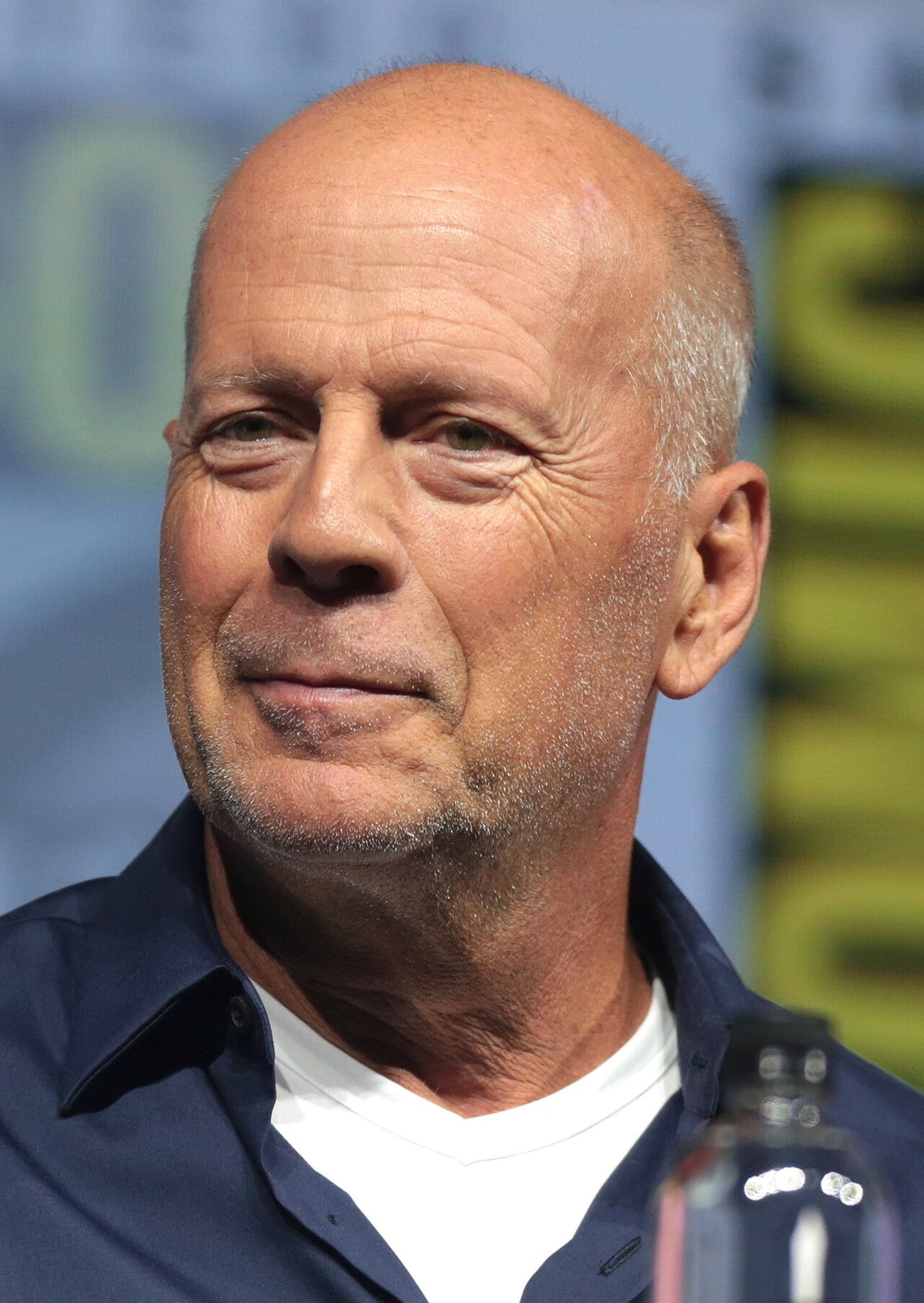
For a performer remembered through familiar lines and action roles, the public explanation changed the surrounding conversation. It also gave readers a direct place to learn what the family had chosen to share. The portrait here is from a public appearance; it is not an image documenting symptoms. The most useful information comes from the statement itself, which explains the diagnosis without turning an old photograph into evidence of a medical change.
2. Michael J. Fox: a long public story, not a single update
The Michael J. Fox Foundation's biography records that Fox was diagnosed with Parkinson's disease in 1991, made the diagnosis public in 1998 and launched the foundation in 2000. Those dates matter because this is a public story stretching across decades. A new interview or event photograph sits within that longer history; it does not begin the story from scratch.
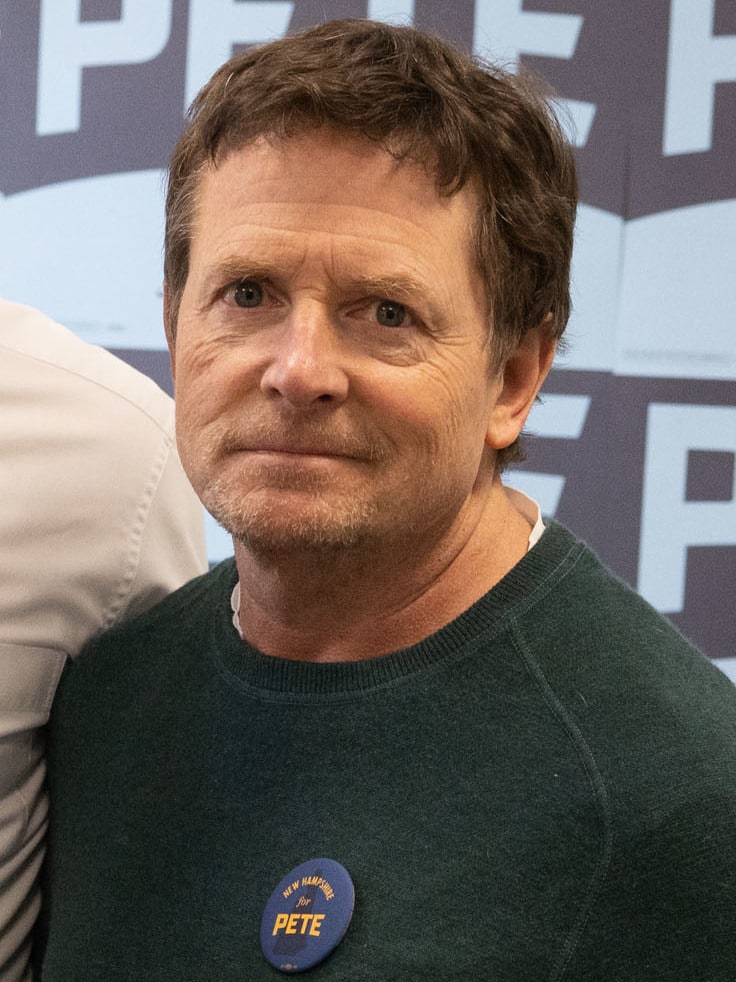
The foundation also gives people an obvious route from celebrity coverage to information about research. That is a more substantial legacy than a succession of worried captions beneath pictures. Fox's acting career, public appearances and advocacy can be discussed together without pretending they are the same activity. The person audiences recognize from the screen has used that recognition to draw attention to work whose significance extends well beyond his own career.
3. Céline Dion: an explanation addressed directly to the audience
Dion publicly disclosed a diagnosis of stiff-person syndrome in December 2022. Her official biography places that announcement within the history of her performances and recordings. Hearing the explanation from the artist gave fans a specific account to refer to when discussing changes to her performing plans, rather than leaving every absence open to speculation.
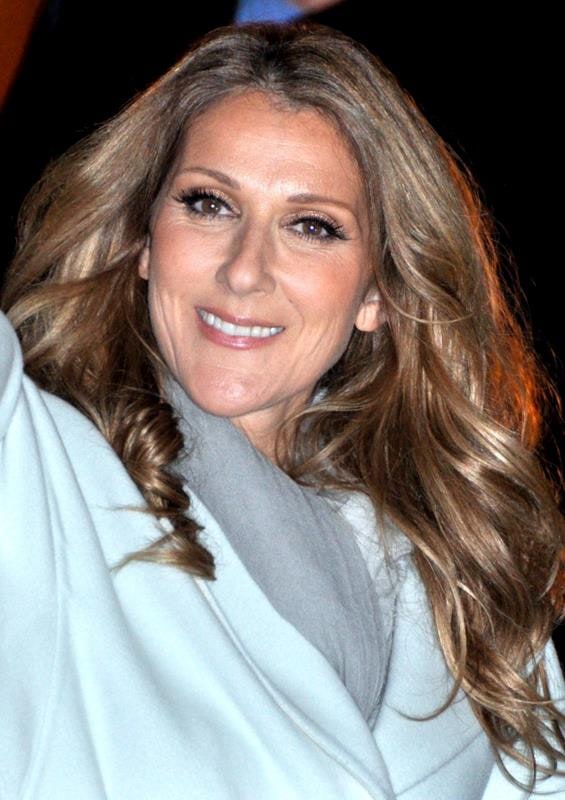
A singer's public identity is unusually connected to what an audience expects the body to do: sustain a note, stand through a concert and repeat a demanding performance night after night. A personal disclosure can reveal some of the work behind that expectation. It does not make the audience a medical observer. The photograph used here is a dated portrait, while the official account remains the source for the health information described in this section.
4. Selma Blair: making disability visible in a public career
Blair has discussed living with multiple sclerosis in interviews, including a 2023 British Vogue conversation about disability and public life. Her appearances have helped make a mobility aid visible within settings that usually present a very narrow image of how a celebrity is expected to move, pose and arrive. The account is about her own experience, described in her own terms.
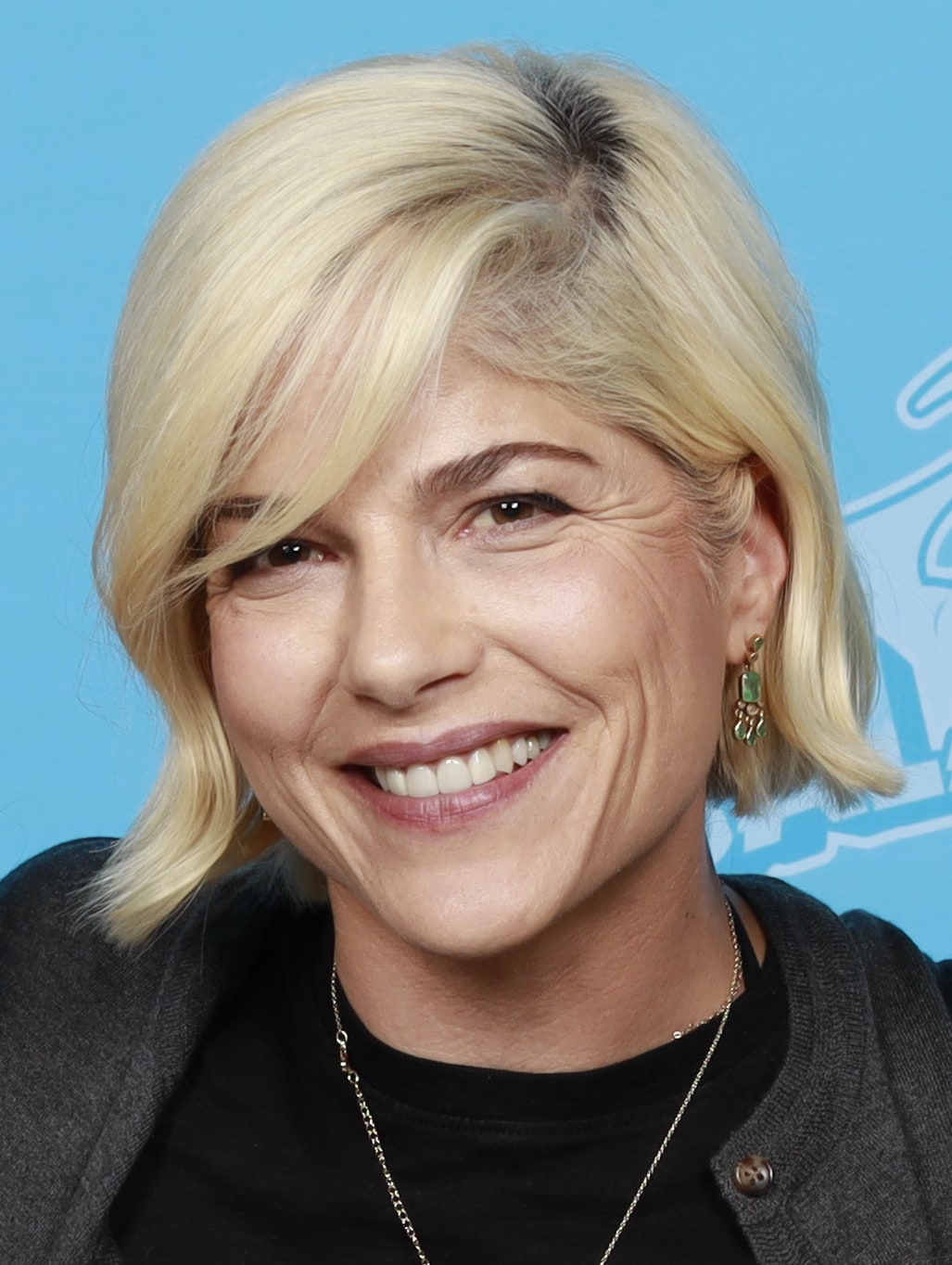
That visibility can be valuable without requiring every appearance to become an inspirational spectacle. A red carpet is still a workplace and a publicity occasion, not a complete account of someone's day. Blair's public conversations open a wider discussion about access, recognition and the practical realities behind an image. Reading the full interview gives those themes more room than a tightly cropped photograph accompanied by a dramatic one-line assessment.
5. Christina Applegate: the importance of someone noticing and listening
Applegate has publicly discussed her multiple sclerosis diagnosis and the role Blair played in encouraging her to seek medical attention. A 2023 Good Morning America report presented that account as part of their friendship and shared public conversation. It is a specific personal story, rather than a list of symptoms readers should use to diagnose themselves or somebody in a photograph.
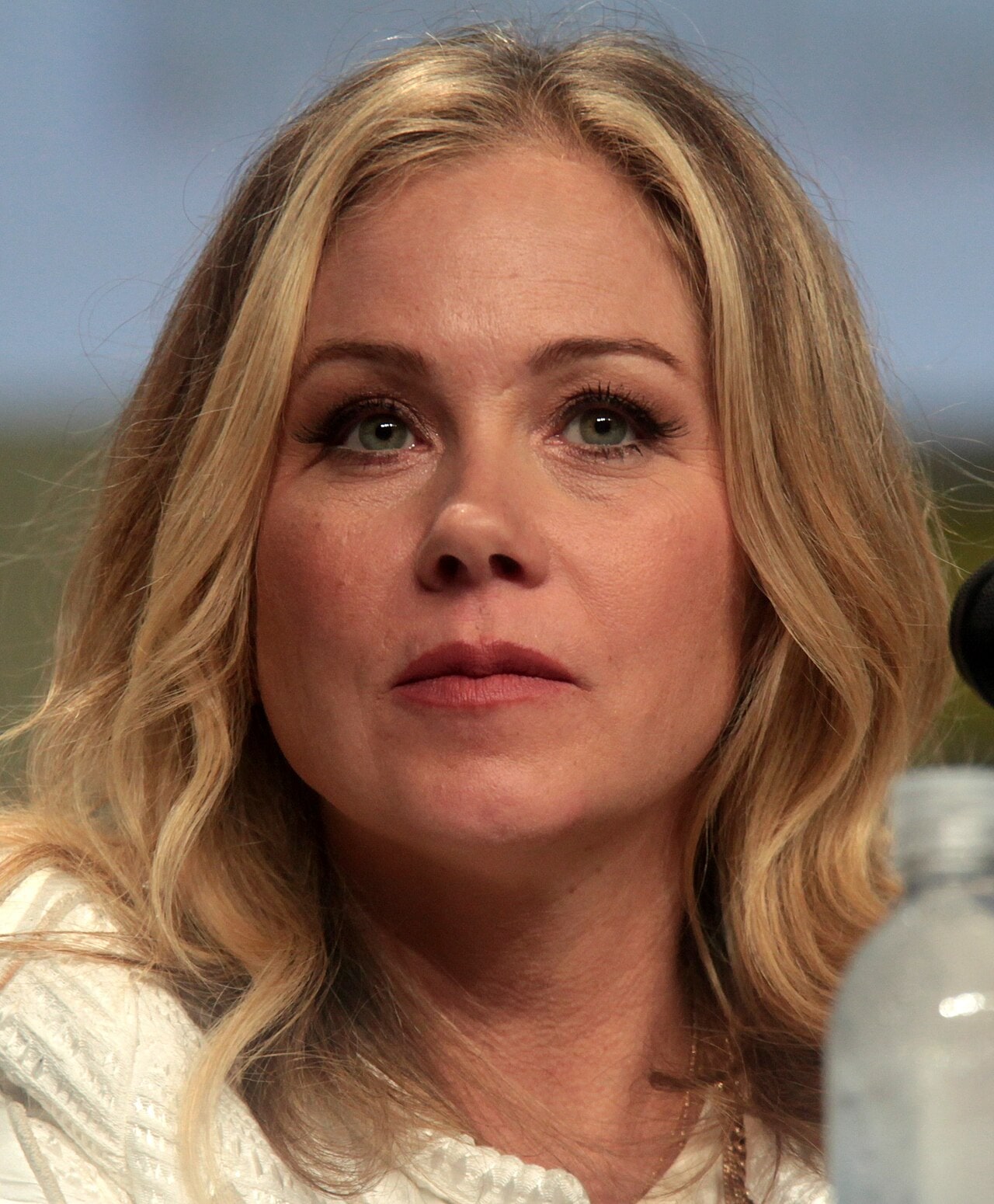
The relationship between the two performers is the meaningful part of the account. A person who had already been through her own experience recognized a reason for a friend to get professional advice. Applegate then chose to describe that exchange publicly. Keeping the story at that human scale preserves what is useful about it: listening, taking a concern seriously and allowing qualified clinicians to evaluate what is happening.
6. Selena Gomez: directing attention toward lupus research
Gomez has spoken publicly about lupus and her kidney transplant, including through the Lupus Research Alliance. In the organization's Q&A, her personal experience sits beside the wider aim of helping people understand the condition and supporting research. It is a useful example of a celebrity disclosure connecting readers with a specialist organization rather than leaving them with only a headline.
The portrait in this gallery was taken at a film event, and that is exactly what it illustrates: Gomez's public career. An actor or musician does not stop having professional milestones when they also discuss a health condition. Allowing both parts of the story to exist keeps the person from being reduced to a diagnosis. For details of what she chose to share about lupus, the published Q&A is the relevant source.
The common thread is control over the explanation. A family statement, a foundation biography or a first-person interview gives readers something firmer than visual guesswork. These accounts can encourage understanding while leaving room for privacy and changing circumstances. The photographs show public identities and professional appearances; the linked statements supply the health context. Neither an old portrait nor a brief public update can tell us everything about a person's life today.




.jpg)


.jpg)
.jpg)