
6 Stars Who Landed Career-Defining Roles After 40

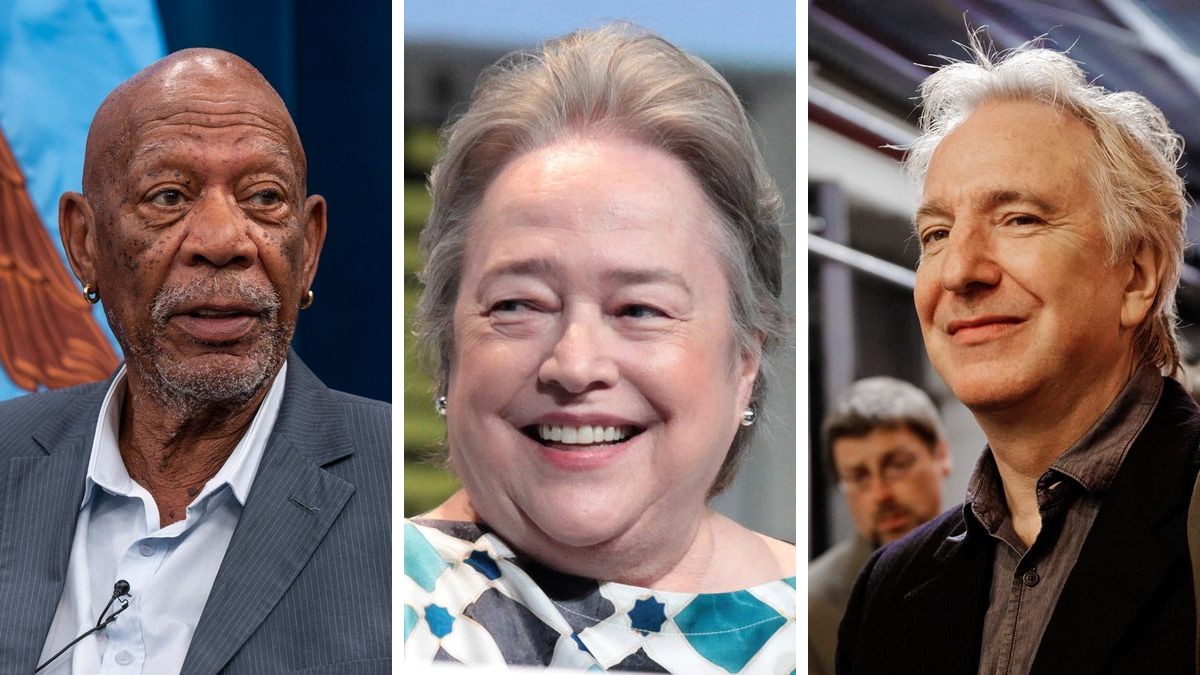
Morgan Freeman: Photo: U.S. Secretary of Defense / Wikimedia Commons. Public domain. Cropped and resized for a photo collage; original image licence applies.
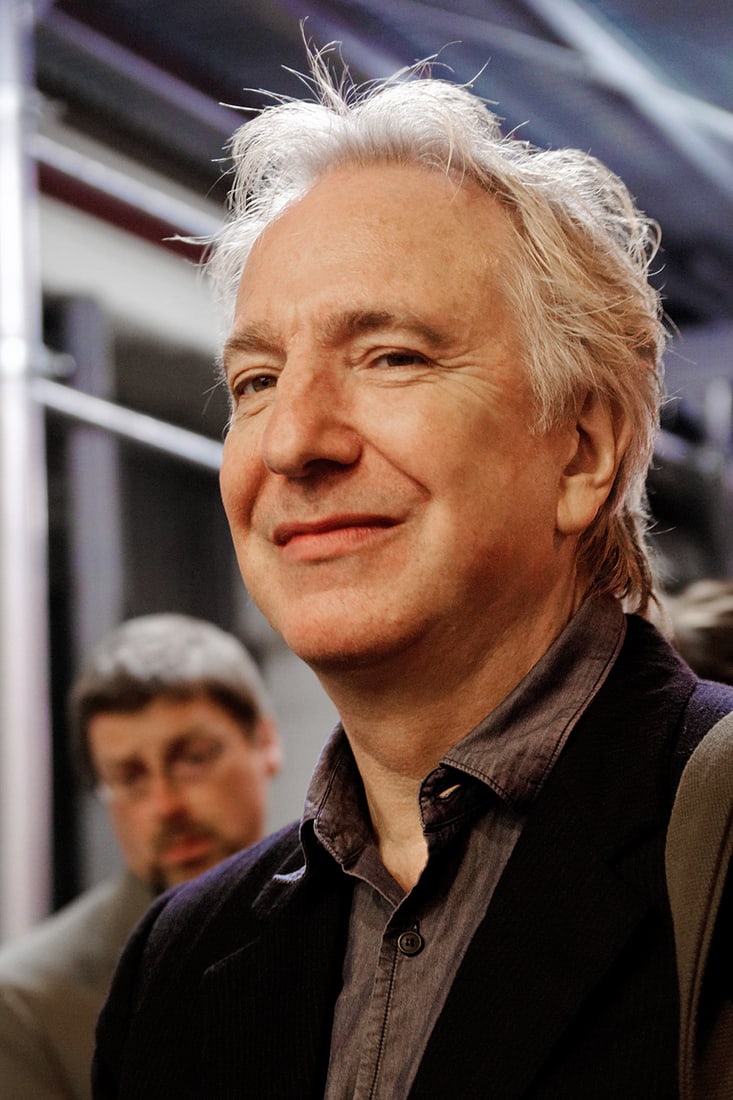
Kathy Bates: Photo: Gage Skidmore / Wikimedia Commons. CC BY-SA 3.0. Cropped and resized for a photo collage; original image licence applies.
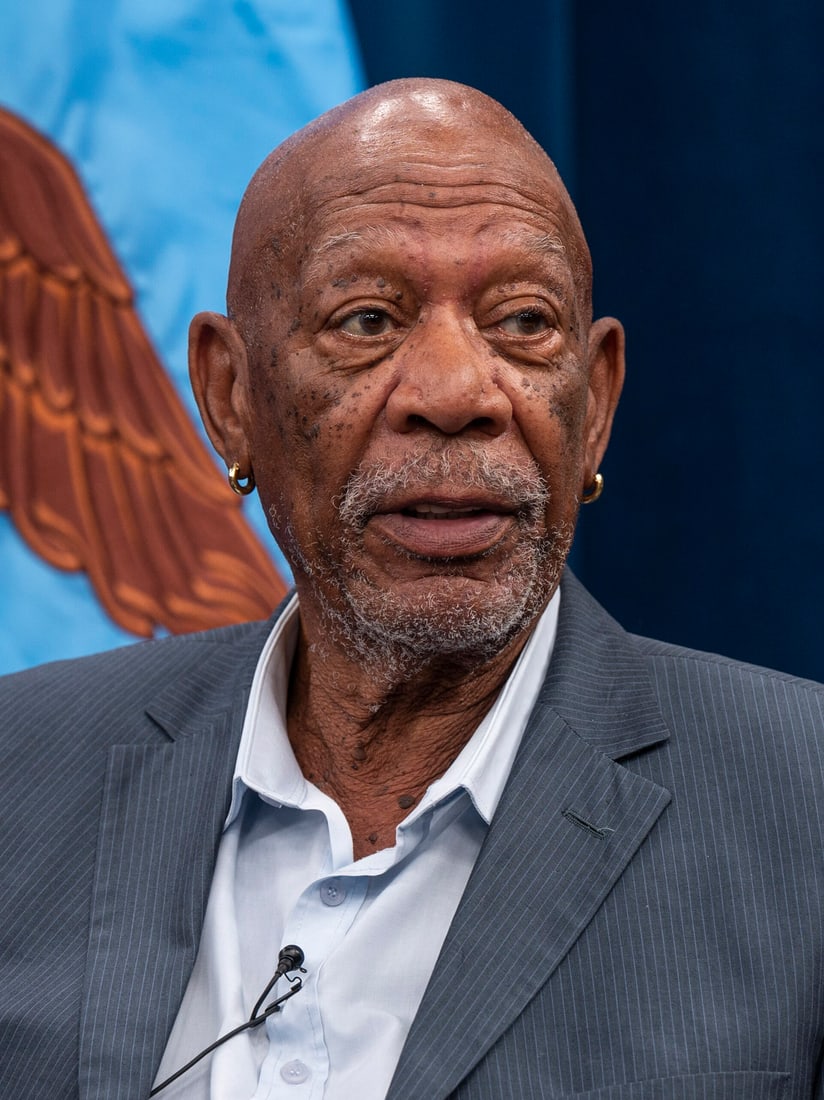
Alan Rickman: Photo: Marie-Lan Nguyen / Wikimedia Commons. CC BY 2.0. Cropped and resized for a photo collage; original image licence applies.
Movie careers rarely follow a tidy timetable. Sometimes an actor has already spent decades on stage or television before a particular character changes how audiences see them. The surprise is less about discovering a beginner than finally noticing someone who has been doing the work all along. These six performers were over 40 when the films below reached audiences, and each brought something to the part that would have been difficult to fake.
1. Morgan Freeman: the role before the reassuring voice
Say Morgan Freeman and many viewers picture a calm guide through a complicated story. His performance as Fast Black in 1987’s Street Smart offers a sharp jolt to that image. The character is intimidating and unpredictable, and the film brought Freeman his first Academy Award nomination. He was already an experienced performer approaching his 50th birthday when it opened.
Freeman had been familiar to younger television viewers through The Electric Company. Street Smart showed a very different side of the same actor. That contrast makes it an interesting stop on a retrospective watchlist: the qualities that later made him a reassuring screen presence could also make a scene feel dangerous. His breakthrough was a change in the audience’s perception, built on skills developed long before the nomination. [1]
2. Alan Rickman: a film debut with remarkable confidence
Hans Gruber enters Die Hard as though he already owns the building. Rickman’s measured delivery gives the villain an unsettling composure while chaos gathers around him. The startling detail is that this was Rickman’s feature-film debut, released in 1988 when he was 42. His confidence had a foundation: an established theatre career, including the stage version of Les Liaisons Dangereuses.
Watching the film with that background in mind changes the experience. The pauses, the controlled voice and the small shifts in expression become as interesting as the action. Gruber makes an impression without needing to shout through every scene. Rickman would later become Professor Snape to another generation, but this first major movie appearance already contained the precision that made his performances so recognizable. [2]
3. Kathy Bates: ordinary politeness becomes frightening
Kathy Bates was 42 when Misery arrived in 1990. As Annie Wilkes, she could make a domestic conversation feel more threatening than a room full of special effects. The character’s attention to an injured novelist initially has the shape of care. Bates makes the change in that relationship deeply uncomfortable, often through a look or a tiny adjustment in tone.
Her performance won the Academy Award for leading actress the following year. The award was a spectacular public milestone for someone who had already worked extensively in theatre. Rewatching Misery also shows why an apparently modest setting can give an actor such a large opportunity. With few places for either the characters or the audience to escape, every gesture matters. Bates fills that small world with an extraordinary amount of tension. [3]
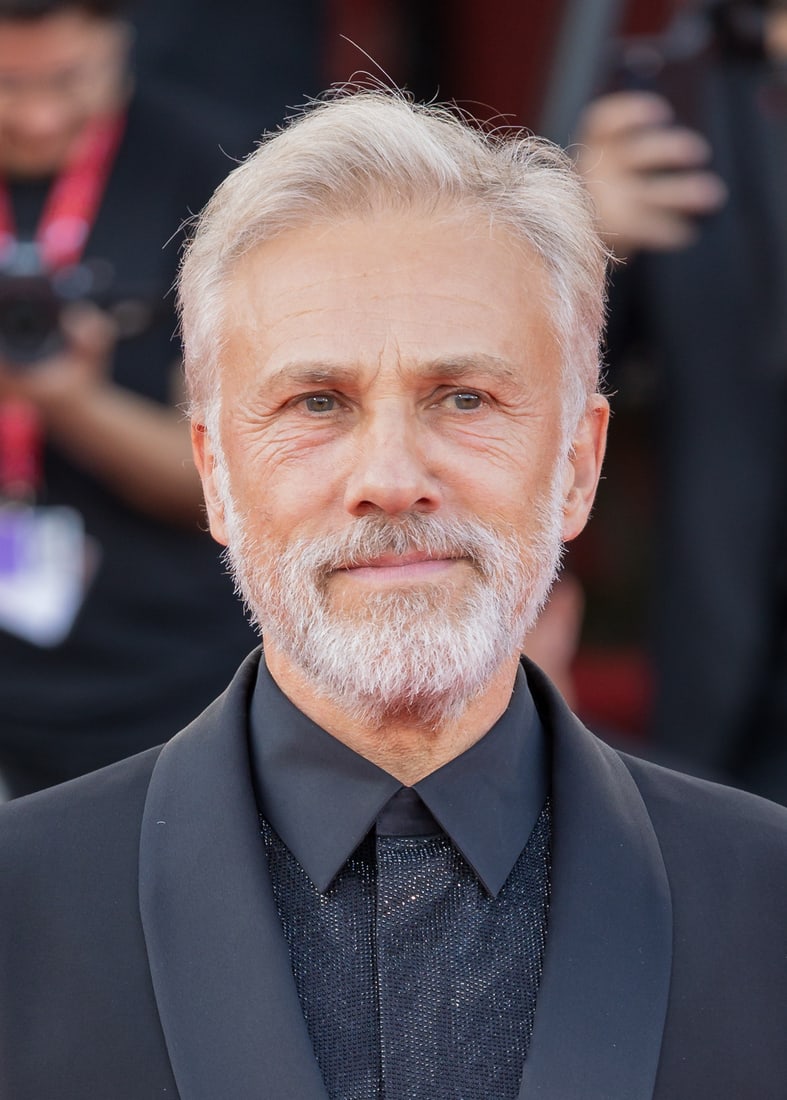
4. Christoph Waltz: a conversation that takes over the film
The opening of Inglourious Basterds gives Christoph Waltz time to establish Hans Landa through conversation. The scene depends on how long he can sustain an apparently courteous exchange while making the audience increasingly uneasy. Waltz was 52 when the film premiered in 2009, with a substantial European acting career already behind him.
The role brought him the supporting-actor Oscar in 2010 and introduced his screen presence to a much wider international audience. His use of several languages is conspicuous, but the rhythm of the performance is equally memorable. A smile can buy time; an overly pleasant question can become a threat. It is a useful reminder that a career-changing performance does not always require a huge physical transformation. Sometimes the most powerful change happens in the space between two lines. [4]
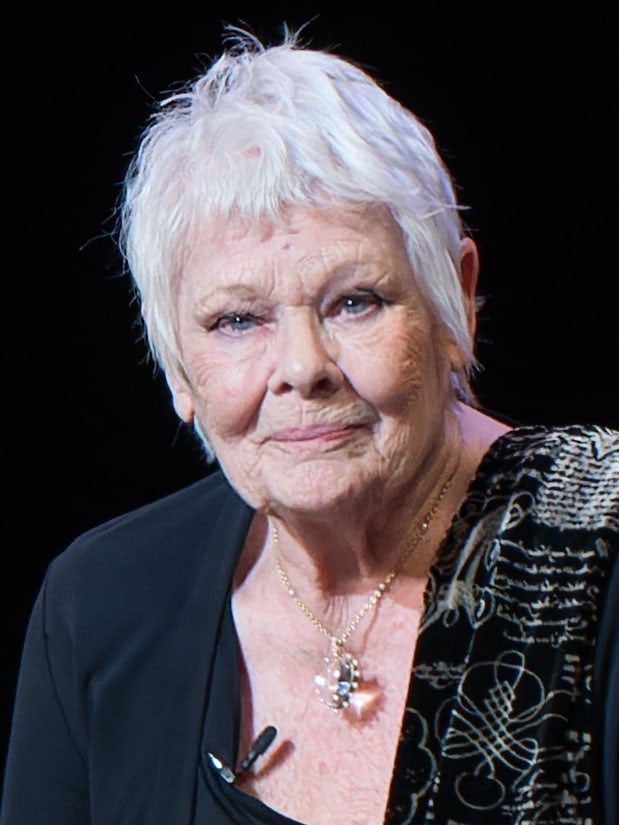
5. Judi Dench: M changes the temperature of the room
Judi Dench was already a major British performer when GoldenEye introduced her as M in 1995, shortly before her 61st birthday. This was no late discovery of her talent. It was a new international showcase, placing her at the centre of a franchise with a very familiar hierarchy. Her version of Bond’s superior could puncture his confidence with a few brisk sentences.
The office scenes carry their own kind of action: who controls the exchange, who gets the last word, and how much room Bond has to manoeuvre. Dench makes M feel like someone with a life and responsibilities beyond the hero’s latest adventure. The performance broadened what that relationship could do across subsequent films. A role with relatively limited screen time became one of the series’ most substantial anchors. [5]
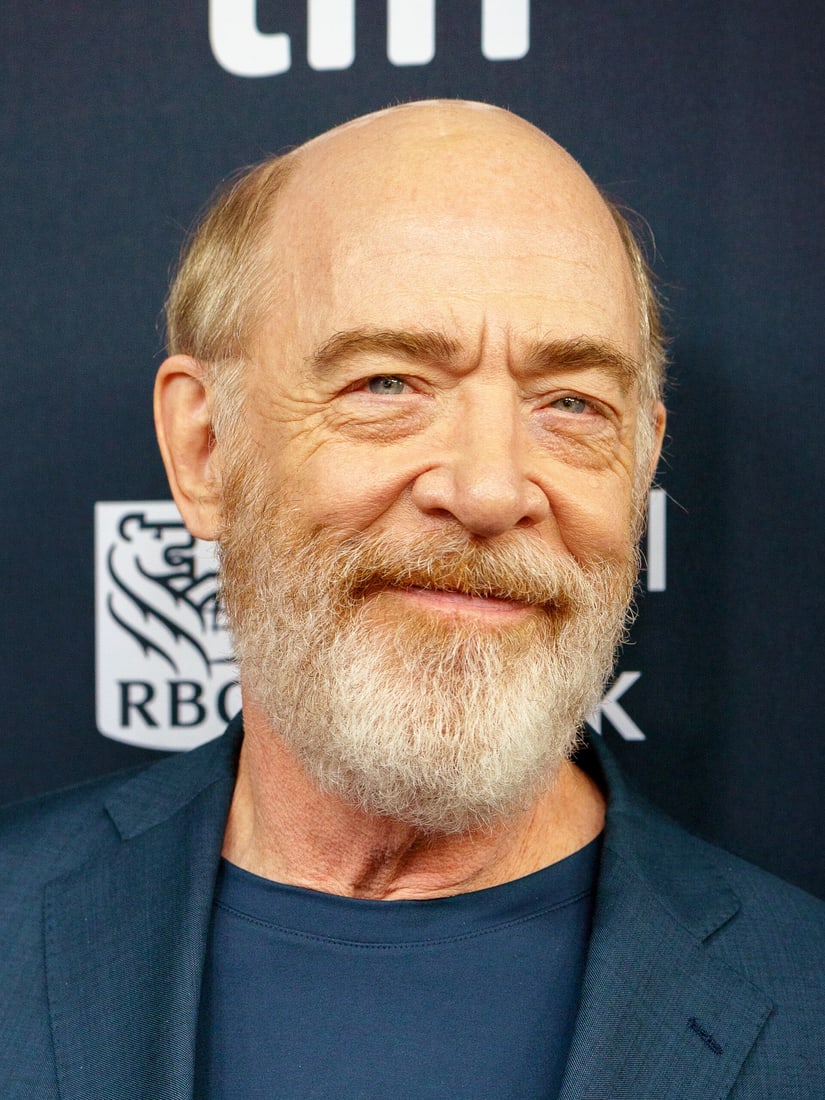
6. J. K. Simmons: a familiar face becomes impossible to ignore
By the time Whiplash reached cinemas in 2014, J. K. Simmons was hardly an unknown. Many viewers already recognized him from television and from his forceful appearances as newspaper editor J. Jonah Jameson in the Spider-Man films. At 59, however, he found a particularly intense showcase in music teacher Terence Fletcher.
The performance makes a rehearsal room feel like a pressure chamber. A change in tempo, a quiet instruction or a sudden outburst can completely alter a scene. Simmons won the supporting-actor Oscar in 2015, turning long-standing recognition into a major awards moment. The film also leaves viewers with something to argue about afterwards: where ambition ends and cruelty begins. That uncomfortable question gives the performance a life well beyond its most frequently shared clips. [6]
These roles arrived at different stages of six very different careers. Put them together and the familiar idea of a single early “big break” starts to look inadequate. Sometimes the performance everyone remembers needs the years that came before it. The photographs here are portraits of the actors, rather than stills from the films.




.jpg)

.jpg)
.jpg)

.jpg)